Botox is one of those treatments that people hear about constantly, but many don’t actually know how it works beyond the idea that it “gets rid of wrinkles.” That’s the simplified version. The real explanation is a little more mechanical and a little less glamorous, but it helps to understand if you’re considering the treatment yourself.
What Botox Actually Is
Botox is the brand name for a drug made from a neurotoxin called botulinum toxin type A. It’s made in a controlled lab process and comes in tiny, carefully measured doses that are safe when injected by a trained professional. It is not the raw toxin you hear about in relation to food poisoning — that’s botulism, which is dangerous. The medical form used for injections is purified, diluted, and regulated.
The U.S. Food and Drug Administration (FDA) first approved Botox for medical use back in 1989, but at that time, it was used for eye muscle conditions. It wasn’t until 2002 that it was approved for cosmetic use to reduce wrinkles between the eyebrows. Since then, its approved uses have expanded, and it has become the most common nonsurgical cosmetic treatment worldwide.
What It Does in the Body
When Botox is injected into a muscle, it blocks signals between the nerves and that muscle. Specifically, it prevents the release of a chemical messenger called acetylcholine. That chemical is what tells your muscles to contract. With Botox in place, the muscle can’t contract as strongly. Instead, it relaxes.
Wrinkles and lines on the face often come from repetitive muscle movements — raising your eyebrows, squinting, frowning, or even smiling. When the muscles keep moving the skin in the same way for years, those folds become permanent. By reducing how much the muscle moves, Botox makes the overlying skin look smoother.
It’s not a filler. That’s a common confusion. Dermal fillers add volume under the skin. Botox works differently — it calms the activity of specific muscles.
Where Botox Is Typically Used
In cosmetic medicine, Botox is most often used on:
- Frown lines between the eyebrows (the “11” lines)
- Forehead lines
- Crow’s feet at the corners of the eyes
- Bunny lines (small lines on the sides of the nose)
- Around the mouth for certain types of wrinkles
- Neck bands in some cases
If you’re considering treatment, Botox is available at our Old Bridge, NJ office as well as in Jersey City, NJ, Boca Raton, FL, and Greenacres, FL. Each location follows the same standards of safety and precision.
Beyond cosmetic use, doctors also use Botox for conditions like chronic migraines, overactive bladder, excessive sweating, and even muscle stiffness in neurological conditions. The mechanism is the same: reducing overactive muscle activity or blocking unwanted nerve signals.
How Long It Lasts
Botox results aren’t permanent. On average, the effects last about three to four months. Some people see results fade sooner, while others notice it lasts up to six months. It depends on things like your metabolism, how often you move the treated muscles, and how much product was used.
When the nerves slowly build new connections to the muscles, movement returns, and the lines can start to show again. That’s why many people repeat the treatment a few times per year to maintain smoother skin.
Why People Get Botox
The most obvious reason is to reduce visible wrinkles. But people also use it for preventative purposes. If you start Botox before deep lines set in, you may prevent or slow them from becoming permanent. That’s why more people in their late 20s or early 30s are choosing it.
Botox can also help balance facial expressions. For example, if someone naturally frowns or looks tense even when they’re not, relaxing those muscles can give them a softer, calmer appearance.
What the Procedure Involves
A typical Botox appointment is quick. Here’s what usually happens:
- The provider cleans the skin in the treatment area.
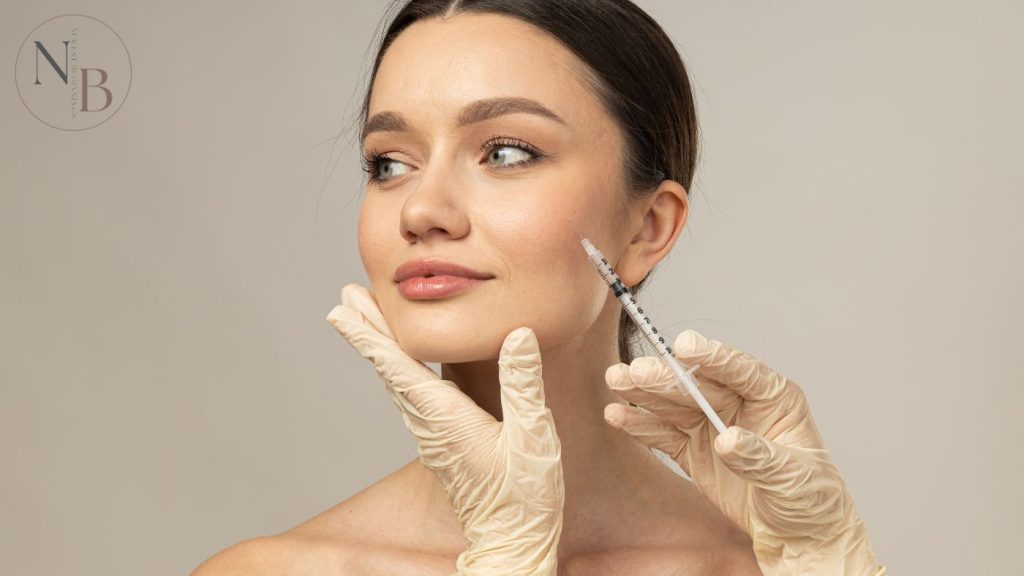
- Small amounts of Botox are injected into the targeted muscles with a fine needle.
- There’s usually minimal discomfort — some people describe it as a quick sting.
- No downtime is required. You can typically go right back to work or daily activities.
Full results don’t appear immediately. You might start to see changes in three to five days, with the maximum effect around two weeks.
Common Mistakes and Misunderstandings
- Over-treating. Too much Botox can leave the face looking stiff or unnatural. The goal isn’t to erase every line, but to reduce excessive muscle activity while keeping natural movement.
- Wrong injector. Untrained or inexperienced injectors can place Botox in the wrong muscle, leading to uneven results like droopy eyelids or asymmetry.
- Thinking it replaces skincare. Botox doesn’t improve skin texture, sun damage, or discoloration. It only affects muscle movement. For healthy skin, you still need good skincare and sun protection.
- Expecting permanent results. Botox always wears off. Maintenance treatments are part of the process.
What Happens If It’s Done Incorrectly
If Botox is injected in the wrong area or in the wrong dose, side effects can include:
- Drooping eyelids (called ptosis)
- Uneven eyebrows
- A lopsided smile
- Difficulty swallowing if used in the neck
- Headaches or flu-like symptoms (rare)
Most of these effects fade as the Botox wears off, but they can last weeks. This is why choosing a qualified provider matters.
Safety and Side Effects
In general, Botox is considered safe when done correctly. Side effects are usually mild and temporary:
- Redness or swelling at the injection site
- Small bruises
- Mild headache
Severe complications are rare, especially in cosmetic doses. Still, patients with certain neuromuscular conditions, allergies, or who are pregnant or breastfeeding should avoid it. A consultation with a licensed provider is essential to make sure it’s the right choice.
Cost Considerations
Pricing varies depending on the number of units used and the area being treated. Smaller areas need fewer units, larger ones need more. Clinics often charge either per unit or per treatment area. Because results are temporary, you’ll need to budget for ongoing treatments if you want to maintain the effects.
Why It Matters to Be Informed
A lot of people rush into Botox because they want quick results, but without understanding how it works, they risk being disappointed. It’s not magic. It’s a precise medical procedure that depends on careful dosing, correct placement, and realistic expectations.
Knowing the details helps you ask better questions during your consultation. You’ll be able to judge whether the provider is explaining things clearly and whether they have the experience to get the results you want.
Final Thoughts
Botox works by blocking nerve signals that make muscles contract. That’s it in the simplest terms. This reduces wrinkles caused by repetitive facial movements and can also help with several medical issues. The effects are temporary, lasting a few months, and the treatment has risks if not done correctly.
If you’re considering Botox, don’t choose based on price alone or assume all providers are the same. The skill of the injector determines whether you end up with natural-looking, safe results or with side effects you don’t want.
For the latest information on Botox and other treatments — and for clear pricing on what we provide — call our office at Newest Beginnings. You can also visit us online to learn more about our locations in Old Bridge, NJ, Jersey City, NJ, Boca Raton, FL, and Greenacres, FL.