
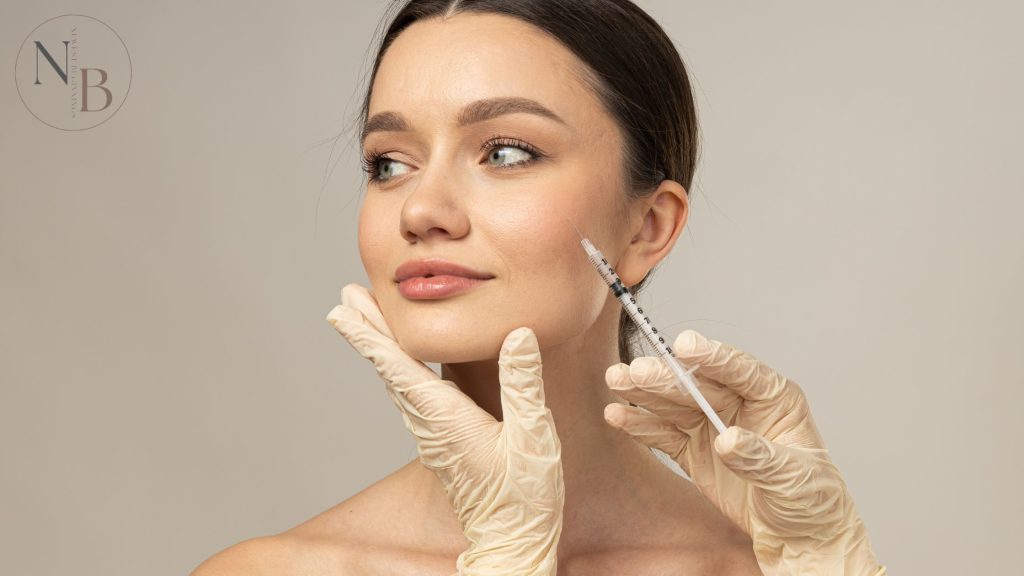
Botox doesn’t last forever. That’s the first thing to know. When people ask what happens when it “wears off,” they’re usually worried about whether their face is going to suddenly look worse than before or if they’ll see some weird side effect. The truth is less dramatic and much more practical: Botox slowly fades, and the areas that were treated simply start moving again over time.
How Botox Works in the First Place
Botox is a purified protein that works by temporarily blocking the signals between nerves and the muscles they control. In plain terms: when you frown or raise your eyebrows, your muscles contract and cause wrinkles. Botox tells those muscles to take a break.
It doesn’t damage the muscle. It doesn’t erase it. It just pauses the constant contraction that leads to lines and creases. That’s why it’s such a widely used and trusted treatment for reducing fine lines, especially in the forehead, crow’s feet, and frown lines.
The Timeline: How Long Does Botox Last?
Most people start seeing results within a few days after their injections, and the effect peaks at around two weeks. On average, the smoothing and softening last three to four months. Some people may notice results fading closer to two months, while others can go as long as six months.
The variation comes down to a few factors:
- Metabolism: Faster metabolisms tend to process the protein more quickly.
- Muscle strength: If you have very strong facial muscles, they may return to movement sooner.
- Dosage and placement: How much Botox was used and exactly where it was placed affects how long it holds.
- Lifestyle factors: Regular intense exercise, stress, and even sun exposure can influence how quickly the effects fade.
What Happens When It “Wears Off”?
When Botox wears off, your muscles gradually regain their ability to contract. It’s not like a switch flipping overnight. It’s a slow process, where you start noticing movement creeping back in.
The wrinkles or lines that were softened will also start to become visible again. They don’t usually look worse than before. They just look the way they did pre-treatment. If anything, regular Botox use can actually help prevent deepening of lines because the muscles haven’t been over-contracting during the months you were treated.
Will My Face Look “Older” When Botox Wears Off?
This is one of the biggest misconceptions. No, you won’t suddenly look older the second it fades. You’ll just return to your natural baseline. If you’ve been getting Botox consistently, your baseline might actually look better than it would have otherwise, because you’ve given those muscles a break.
Think of it this way: years of repeated frowning or squinting carve lines into the skin. Botox temporarily halts that repetition. When it fades, your face goes back to moving, but you haven’t added months of constant folding during the time Botox was active.
Common Mistakes People Make
- Waiting too long between treatments: If you’re aiming for ongoing smoothness, it’s better to schedule your next session before everything has completely worn off.
- Expecting permanent results: Botox isn’t surgery. It’s temporary by design. That’s part of why it’s safe and adjustable.
- Not choosing a trained injector: Placement is critical. At Newest Beginnings, our professional injectors have extensive training, which means your results look natural, not frozen.
When Should You Schedule Your Next Botox?
The best time to schedule is when you start noticing movement returning but before the wrinkles become deeply etched again. For most patients, that’s around three to four months.
This timing helps maintain a consistent, refreshed look rather than going through cycles of full movement and then complete smoothness. It also gives you more control over how your appearance changes rather than waiting until lines become stubborn again.
Why Maintenance Matters
Think about it in terms of prevention. By keeping up with treatments, you’re essentially training your muscles not to over-contract. Over the long term, this means lines develop more slowly and stay softer even between treatments.
Skipping a session isn’t dangerous, but it does mean you’ll eventually go back to the same wrinkle pattern you had before. Regular maintenance is what turns Botox from a short-term fix into a long-term anti-aging strategy.
How Much Botox Do You Need?
There’s no one-size-fits-all. Some people need a small amount, just a few units, to soften lines. Others need more, depending on muscle strength and the area being treated. That’s why consultations are important. We tailor the dosage and placement to your face, your goals, and your natural movement.
For the most accurate pricing and to check if we’re running promotions, it’s best to review our latest Botox specials.
Locations to Book a Consultation
We provide Botox treatments in multiple locations, all with highly trained injectors and a reputation for natural, balanced results. If you’re ready to set up a consultation or want to talk through your options, you can book directly at the location nearest you:
Positive Takeaway
The idea of Botox “wearing off” can sound like something negative, but in reality, it’s a controlled, temporary process. Your muscles slowly come back to life, and you get to choose if and when you want to keep up with treatment. There’s no permanent change when it fades, and with regular sessions, the benefits actually compound over time.
If you’re curious about starting Botox or if you’re due for your next treatment, call Newest Beginnings for the latest information and pricing. Our team will walk you through everything and make sure your results are natural, safe, and exactly what you’re looking for.