Manalapan, NJ Medical Spa | Newest Beginnings

Author: Old Bridge Location

  • The Ultimate Guide to Chemical Peels

    The Ultimate Guide to Chemical Peels

    Introduction

    Thinking about getting a chemical peel? You’re not alone! Chemical peels have become a popular skincare treatment for their ability to rejuvenate the skin and treat various conditions. This guide will walk you through everything you need to know about chemical peels, from preparation to aftercare.

    What is a Chemical Peel?

    A chemical peel is a skin-resurfacing procedure in which a chemical solution is applied to the skin, causing it to exfoliate and eventually peel off. The new skin that replaces it is usually smoother and less wrinkled.
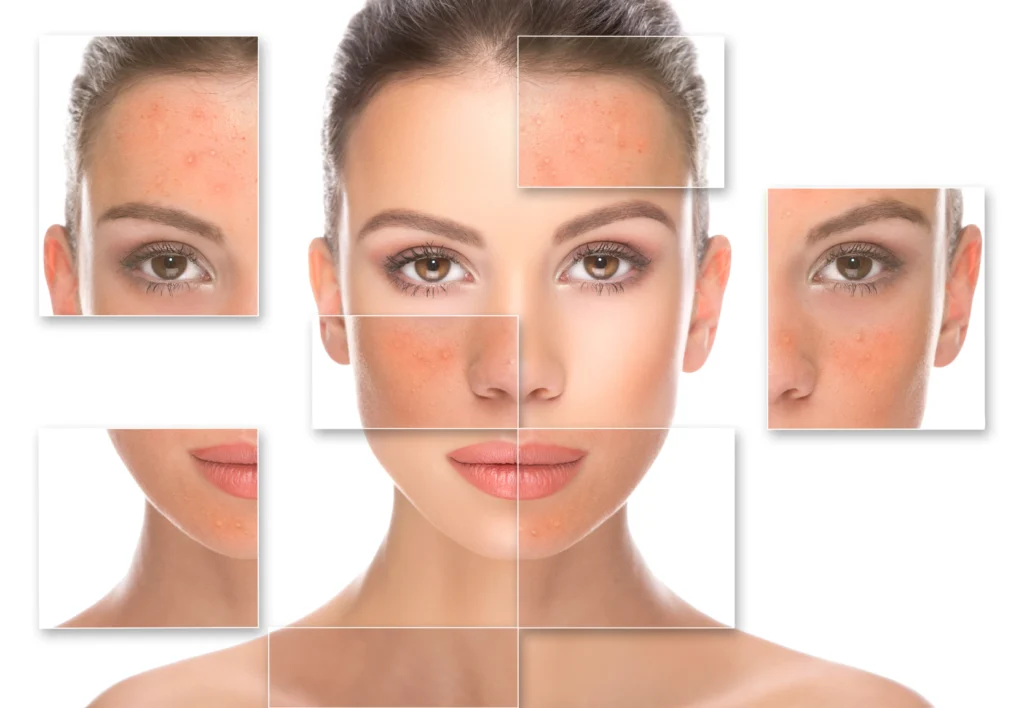
    A digitally enhanced image of a woman's face surrounded by zoomed-in square overlays highlighting various skin conditions such as acne, redness, and pigmentation. The central portion of her face appears smoother and clearer, illustrating the effects of skincare or treatment like a chemical peel.

    Benefits of Chemical Peels

    Chemical peels offer a range of benefits, including:

    • Skin Rejuvenation: Helps reduce the appearance of fine lines and wrinkles.
    • Treating Skin Conditions: Effective for acne, hyperpigmentation, and uneven skin tone.

    Types of Chemical Peels

    There are three main types of chemical peels:

    1. Superficial Peels: Mild acids like alpha-hydroxy acid are used to penetrate only the outer layer of skin.
    2. Medium Peels: Glycolic or trichloroacetic acid is applied to reach the middle and outer layers of skin.
    3. Deep Peels: Trichloroacetic acid or phenol is used to penetrate the deeper layers of skin.

    Who Can Benefit from a Chemical Peel?

    Chemical peels can benefit a wide range of individuals, particularly those with:

    • Acne scars
    • Age spots
    • Fine lines and wrinkles
    • Sun-damaged skin

    Preparing for a Chemical Peel

    Preparation is key to a successful chemical peel. Here’s what you need to do:

    • Consult a Dermatologist: Discuss your skin type and concerns to determine the best peel for you.
    • Pre-Treatment Skincare Routine: Use gentle cleansers and avoid exfoliating products.
    • Avoid Certain Medications: Some medications can increase sensitivity to the peel.

    The Chemical Peel Procedure

    The procedure typically involves these steps:

    1. Cleaning the Skin: The dermatologist will clean your skin thoroughly.
    2. Applying the Peel: The chemical solution is applied to your skin.
    3. Neutralizing the Peel: After a set time, the solution is neutralized and removed.

    The entire process usually takes about 30-60 minutes.

    Post-Peel Care

    Proper aftercare is crucial for optimal results:

    • Immediate Aftercare: Apply soothing creams and avoid sun exposure.
    • Long-Term Care: Use sunscreen regularly and follow a gentle skincare routine.

    Possible Side Effects and Risks

    While chemical peels are generally safe, some side effects may include:

    • Redness
    • Swelling
    • Peeling

    Rare but serious risks can include scarring and infection.

    Results and What to Expect

    You can expect smoother, more radiant skin post-peel. The timeline for results varies:

    • Superficial Peels: Results in a few days.
    • Medium Peels: Results in about a week.
    • Deep Peels: Results in two weeks or more.

    How Often Can You Get a Chemical Peel?

    The frequency of chemical peels depends on the type:

    • Superficial Peels: Every 4-6 weeks.
    • Medium Peels: Every 3-6 months.
    • Deep Peels: Once every few years.

    Chemical Peels vs. Other Skin Treatments

    Chemical peels are often compared to other treatments like microdermabrasion and laser therapy. While all can improve skin texture, chemical peels are particularly effective for deeper issues like pigmentation.

    Frequently Asked Questions (FAQs)

    Here are some common questions about chemical peels:

    Q: How painful is a chemical peel?
    A: Pain levels vary; superficial peels cause mild discomfort, while deeper peels can be more painful.

    Q: Can I wear makeup after a chemical peel?
    A: It’s best to avoid makeup for at least a week after the procedure.

    Q: How long do the results of a chemical peel last?
    A: Results can last from a few months to several years, depending on the peel depth and your skincare routine.

    Q: Are chemical peels safe for all skin types?
    A: Generally, yes, but it’s crucial to consult with a dermatologist to ensure it’s appropriate for your skin type.

    Q: Can I do a chemical peel at home?
    A: While at-home peels are available, professional treatments are recommended for safety and effectiveness.
    Conclusion

    Chemical peels are a fantastic option for those looking to rejuvenate their skin and address various skin issues. By understanding the types, benefits, and necessary preparations, you can ensure a smooth and effective experience. Always consult with a professional to determine the best approach for your skin.

    Frequently Asked Questions (FAQs)

    Q: How painful is a chemical peel?A: Pain levels vary; superficial peels cause mild discomfort, while deeper peels can be more painful.Q: Can I wear makeup after a chemical peel?A: It’s best to avoid makeup for at least a week after the procedure.Q: How long do the results of a chemical peel last?A: Results can last from a few months to several years, depending on the peel depth and your skincare routine.Q: Are chemical peels safe for all skin types?A: Generally, yes, but it’s crucial to consult with a dermatologist to ensure it’s appropriate for your skin type.Q: Can I do a chemical peel at home?A: While at-home peels are available, professional treatments are recommended for safety and effectiveness.
  • Laser Hair Removal: Your Guide to Permanent Hair Reduction

    Laser Hair Removal: Your Guide to Permanent Hair Reduction

    Introduction

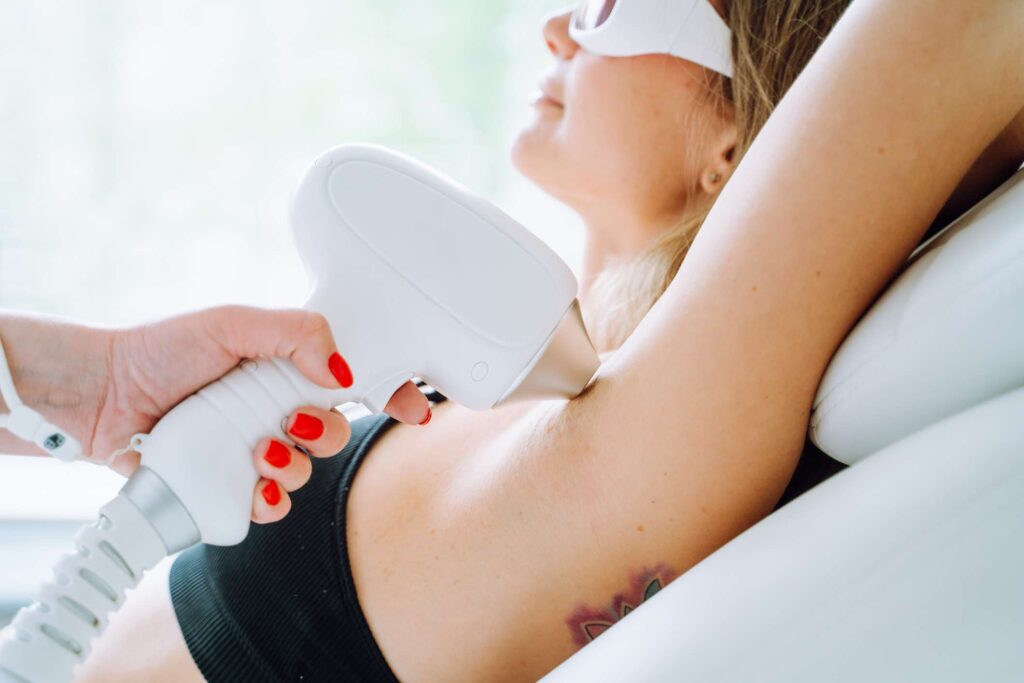
    Laser hair removal has become one of the most popular methods for achieving long-lasting smooth skin. Laser hair removal offers a more permanent solution, whether you’re tired of constant shaving, dealing with painful waxing sessions, or battling ingrown hairs. In this article, we’ll delve into how laser hair removal works, what to expect during the process, and tips for ensuring the best results.

    How Does Laser Hair Removal Work?

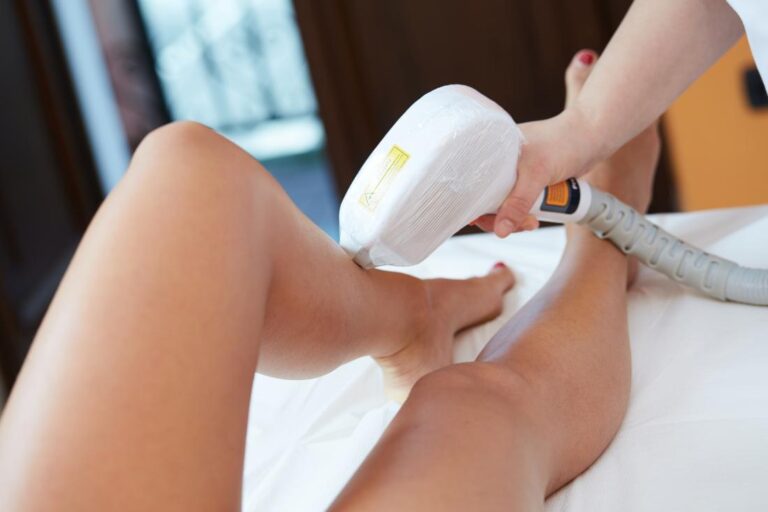
    Laser hair removal works by targeting the pigment (melanin) in hair follicles with concentrated light beams. The hair follicle absorbs the light, which is then destroyed, inhibiting future hair growth. The process is most effective on darker hair and lighter skin tones, but technological advancements have made it accessible to a broader range of skin and hair types.

    Close-up of a woman lying on a treatment table while a technician performs laser hair removal on her lower legs using a handheld device. The scene is set in a professional clinic environment, emphasizing smooth skin and advanced cosmetic technology.

    What to Expect During Your First Session

    1. Preparation:

    • Shaving: You’ll be asked to shave the area to be treated a day or two before your appointment. Avoid waxing or plucking, as these methods remove the hair root, which the laser targets.
    • Avoid Sun Exposure: Sunburnt skin cannot be treated, so it’s important to stay out of the sun or use sunscreen leading up to your session.

    2. The Procedure:

    • Sensation: Many describe the sensation during laser hair removal as a rubber band snapping against the skin. Some areas may be more sensitive, but most clients find the treatment tolerable.
    • Duration: Depending on the size of the area being treated, sessions can last from a few minutes to an hour.

    3. Aftercare:

    • Skin Care: After treatment, your skin may feel slightly irritated or appear red. Applying a soothing cream, like aloe vera, can help. It’s also recommended to avoid sun exposure and use SPF to protect the treated area.
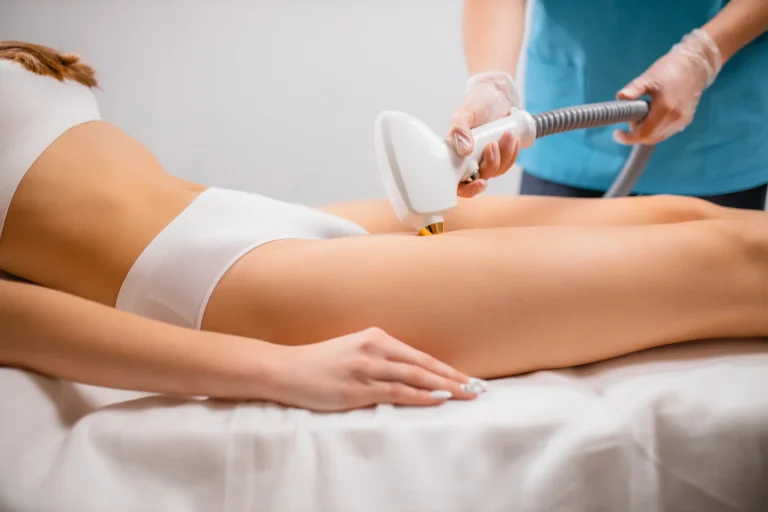
    A woman lying on a treatment bed receives a professional Brazilian laser hair removal session. She is wearing white undergarments while a technician in blue scrubs and gloves uses a handheld laser device on her bikini area in a clinical setting.

    Benefits of Laser Hair Removal

    1. Long-Term Results: Unlike shaving or waxing, which require regular upkeep, laser hair removal offers a more permanent reduction of hair growth after multiple sessions.
    2. Precision: The laser targets only the hair follicle, leaving the surrounding skin undamaged.
    3. Efficiency: Large areas like the back or legs can be treated quickly.
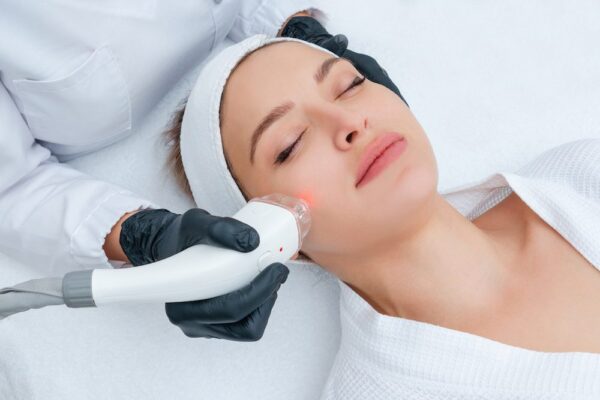
    A woman lying on a treatment bed with her eyes closed receives a laser hair removal treatment on her cheek from a professional wearing black gloves, using a handheld laser device. She wears a white robe and headband in a clean, clinical environment.

    Potential Side Effects

    While laser hair removal is generally safe, some people may experience temporary side effects such as redness, swelling, or minor discomfort. These effects usually subside within a few hours to a few days. Rarely, changes in skin pigmentation or scarring may occur, particularly in individuals with darker skin tones.

    Tips for Maximizing Results

    1. Consistency: Attend all recommended sessions, typically spaced 4-6 weeks apart, to ensure all hair follicles are treated during their growth phase.
    2. Avoid Sun Exposure: Protect your skin with sunscreen before and after treatments to prevent hyperpigmentation.
    3. Follow Aftercare Instructions: Adhering to the aftercare advice given by your technician will help prevent side effects and improve results.

    Conclusion

    Laser hair removal is a safe and effective way to achieve smoother, hair-free skin with lasting results. By understanding the process, knowing what to expect, and following proper aftercare, you can enjoy the benefits of this modern hair removal method with minimal discomfort and maximum satisfaction.

  • Top 5 Most Popular Anti-Aging Procedures

    Top 5 Most Popular Anti-Aging Procedures

    As the pursuit of youthful skin continues to grow, many people are turning to anti-aging procedures that offer effective results with minimal downtime. Below, we explore the top five most popular treatments that have become staples in the world of aesthetic medicine.

    1. Botox and Dermal Fillers: Instant Youth in a Syringe

    Botox and dermal fillers are among the most sought-after anti-aging treatments worldwide. Botox works by temporarily relaxing facial muscles that cause wrinkles, particularly in areas like the forehead, crow’s feet, and frown lines. This treatment smooths out existing wrinkles and prevents new ones from forming, offering a refreshed, youthful appearance.

    Dermal fillers, on the other hand, restore lost volume in the face, particularly in the cheeks, lips, and under-eye areas. Hyaluronic acid-based fillers are the most popular, as they not only add volume but also enhance skin hydration. The results are immediate, with little to no downtime, making these treatments a go-to for those seeking a quick rejuvenation.


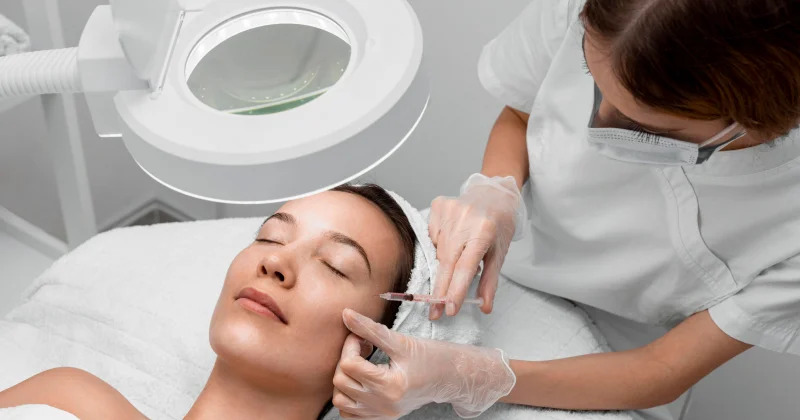
    A woman lies peacefully with eyes closed on a treatment bed while a medical aesthetician wearing gloves and a face mask administers a cosmetic injection to her cheek under a magnifying examination lamp in a clean, clinical environment.

    2. Chemical Peels: Resurfacing for a Radiant Glow

    Chemical peels are a versatile anti-aging procedure that exfoliates the skin, removing dead cells and promoting the growth of new, healthy skin. Depending on the strength of the peel, it can target fine lines, wrinkles, pigmentation, and even acne scars.

    Mild peels, such as those using alpha-hydroxy acids (AHAs), provide a gentle exfoliation, while stronger peels with trichloroacetic acid (TCA) or phenol can penetrate deeper layers of the skin. The result is a smoother, more even-toned complexion with improved texture and firmness.

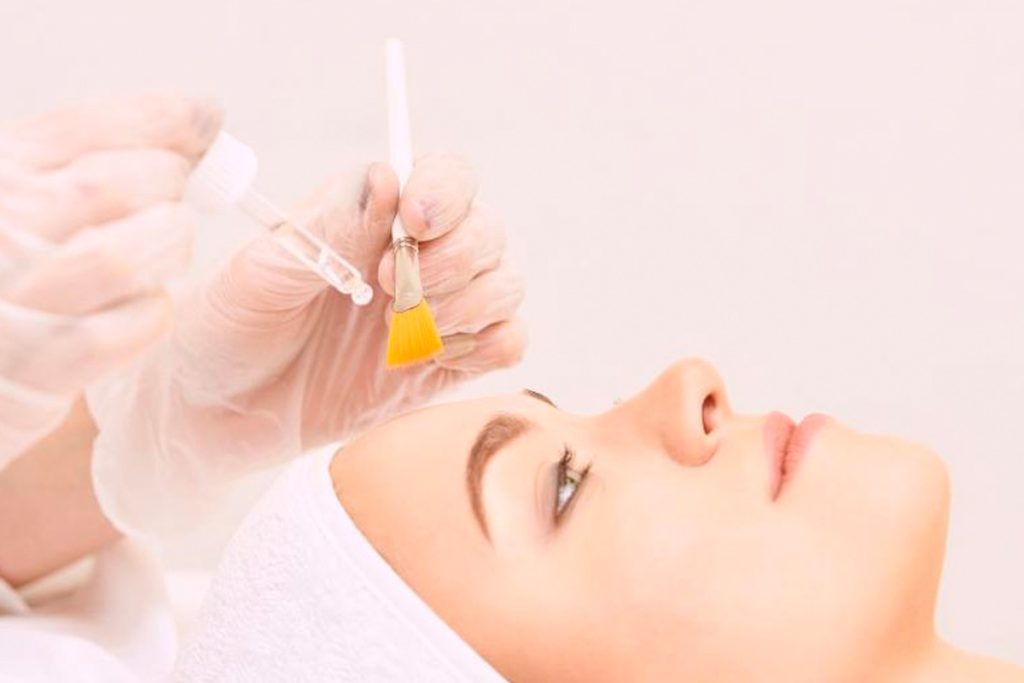
    A close-up of a woman lying down with eyes open and hair wrapped in a towel, as a professional wearing gloves prepares to apply a chemical peel using a dropper and a small yellow application brush in a clean spa environment.

    3. Laser Skin Resurfacing: Targeted Rejuvenation

    Laser skin resurfacing is a powerful treatment that uses concentrated beams of light to target and eliminate skin imperfections. This procedure can effectively reduce wrinkles, scars, and sun damage by stimulating collagen production deep within the skin.

    There are two main types of lasers used for this procedure: ablative lasers, which remove the outer layer of skin for more dramatic results, and non-ablative lasers, which work below the surface to encourage collagen growth with less downtime. Both options offer significant improvements in skin texture and tone.

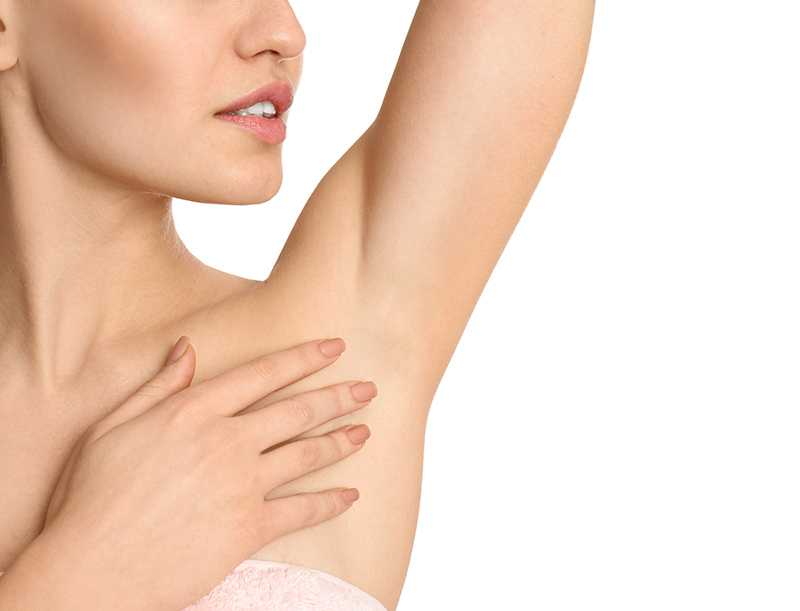
    Close-up of a woman gently touching her smooth underarm with one hand while looking to the side, showcasing the results of hair removal or skincare treatment against a clean white background.

    4. Microneedling: Collagen Induction Therapy

    Microneedling, also known as collagen induction therapy, involves using a device with tiny needles to create micro-injuries in the skin. This process stimulates the body’s natural healing response, boosting collagen and elastin production.

    This procedure is effective for reducing fine lines, wrinkles, and scars, and it can also improve skin texture and firmness. Microneedling is often combined with other treatments, such as PRP (Platelet-Rich Plasma), for enhanced results. With minimal downtime and a relatively quick recovery, it’s a popular choice for those looking to revitalize their skin naturally.

    A woman with dark hair lies peacefully with her eyes closed while a professional wearing black gloves performs a microneedling facial using a purple dermapen device on her cheek, suggesting a skin rejuvenation or stem cell treatment.

    5. Facial Contouring with Radiofrequency: Tighten and Lift

    Radiofrequency (RF) facial contouring is a non-invasive treatment that uses RF energy to heat the deeper layers of the skin, stimulating collagen production and tightening tissues. This treatment is ideal for those who want to lift and firm sagging skin, particularly in the jawline, neck, and cheek areas.

    RF treatments can be used alone or in combination with other procedures for more comprehensive rejuvenation. The results are gradual and natural-looking, with minimal discomfort and no downtime, making it a convenient option for those seeking subtle, yet effective, anti-aging solutions.

    Conclusion

    Anti-aging procedures have evolved to offer effective, minimally invasive solutions for those looking to maintain a youthful appearance. Whether you’re interested in smoothing wrinkles with Botox, resurfacing your skin with chemical peels or lasers, or tightening and lifting with RF energy, there’s an anti-aging treatment that can meet your needs. Consult with a qualified aesthetic professional to determine the best approach for your skin type and aesthetic goals.

    Ready to turn back the clock? Explore these top procedures and discover the possibilities of modern anti-aging treatments!

  • Brighten Your Look: Effective Ways to Eliminate Mustache Shadow

    Brighten Your Look: Effective Ways to Eliminate Mustache Shadow

    Introduction to Mustache Shadow

    Brighten Your Look: Effective Ways to Eliminate Mustache Shadow

    Introduction to Mustache Shadow

    Mustache shadow is a common concern for many individuals, especially women. It refers to the visible darkened area above the upper lip, often caused by hair follicles beneath the skin’s surface. This can be a source of self-consciousness and may impact one’s confidence. Understanding the causes of mustache shadow is crucial in finding effective solutions to eliminate it.

    Understanding the Causes

    There are several factors that contribute to the development of mustache shadow. One of the primary reasons is genetics, as some individuals have naturally darker or coarser hair in this area. Hormonal changes, such as an increase in androgen levels, can also stimulate hair growth and darken the skin. Additionally, certain hair removal methods like shaving or waxing can lead to thicker regrowth, exacerbating the appearance of the shadow.

    Tips for Prevention

    Preventing mustache shadow requires a multi-faceted approach. Firstly, choosing the right hair removal technique is essential. Consider options like laser hair removal, which can target the hair follicles and reduce regrowth over time. Additionally, using gentle exfoliation and skin brightening products can help lighten the area and prevent ingrown hairs.

    Effective Treatment Options

    When it comes to treating mustache shadow, there are various effective options available. Professional treatments like laser therapy and microdermabrasion can target the darkened skin and hair follicles, promoting a more even complexion. Topical treatments containing ingredients like hydroquinone or kojic acid can also help lighten the skin over time.

    Lifestyle Changes for Long-Term Results

    Incorporating certain lifestyle changes can further enhance the results of mustache shadow treatment. Maintaining a healthy diet rich in antioxidants and vitamins can support skin health and promote an even complexion. Protecting the skin from sun exposure with sunscreen is also crucial in preventing further darkening of the area.

  • 6 Key Benefits of Vitamin Injections

    6 Key Benefits of Vitamin Injections

    Introduction to Vitamin Injections

    Vitamin injections have gained popularity in recent years as a convenient and effective way to boost your overall health and well-being. These injections deliver a potent dose of essential vitamins and minerals directly into your bloodstream, bypassing the digestive system for maximum absorption and efficacy. Whether you’re looking to increase your energy levels, improve your immune function, or enhance your skin health, vitamin injections offer a range of benefits that can help you look and feel your best.

    Boosting Energy Levels

    One of the key benefits of vitamin injections is their ability to boost energy levels. By providing your body with a concentrated dose of energy-boosting vitamins like B12, vitamin C, and magnesium, these injections can help combat fatigue and increase your overall vitality. Whether you’re struggling with low energy levels due to a busy lifestyle or a nutrient deficiency, vitamin injections can provide the extra energy you need to power through your day.

    Improving Immune Function

    Another important benefit of vitamin injections is their role in improving immune function. Vitamins like vitamin C and zinc are essential for a healthy immune system, and vitamin injections can help ensure that your body has an ample supply of these nutrients to fight off infections and illnesses. By strengthening your immune system, vitamin injections can help you stay healthy and prevent common colds and flu.

    Enhancing Skin Health

    Healthy and glowing skin is often seen as a sign of good health, and vitamin injections can play a key role in enhancing your skin health. Vitamins like vitamin E and biotin are known for their skin-nourishing properties, and vitamin injections can help improve the overall appearance and texture of your skin. Whether you’re dealing with acne, dryness, or signs of aging, vitamin injections can help rejuvenate your skin and give you a radiant complexion.

    Supporting Weight Loss

    Weight loss is a common goal for many people, and vitamin injections can be a valuable tool in supporting your weight loss journey. Certain vitamins like B12 and B6 are known to boost metabolism and aid in fat breakdown, making them essential for weight management. By incorporating vitamin injections into your weight loss plan, you can enhance your metabolism, increase energy expenditure, and promote fat loss more effectively.

    Alleviating Nutrient Deficiencies

    Addressing nutrient deficiencies is crucial for maintaining optimal health, and vitamin injections can be a targeted solution for individuals with specific nutrient needs. Whether you’re lacking in vitamin D, iron, or other essential nutrients, vitamin injections can deliver a concentrated dose directly into your system to address deficiencies quickly and effectively. This can help prevent complications associated with nutrient deficiencies and promote overall well-being.

    Conclusion and Recommendations

    In conclusion, vitamin injections offer a range of benefits that can support your overall health and well-being. From boosting energy levels and improving immune function to enhancing skin health and supporting weight loss, these injections provide a convenient and effective way to ensure your body gets the essential nutrients it needs. If you’re looking to optimize your health and address specific health concerns, consider incorporating vitamin injections into your wellness routine for a targeted and efficient approach. Consult with a healthcare provider to determine the best vitamin injection regimen for your individual needs and experience the many benefits these injections can offer.

  • 8 Things You Shouldn’t Do After Botox

    8 Things You Shouldn’t Do After Botox

    1. Don’t Rub The Treated Area
      After receiving Botox injections, it’s crucial to avoid touching or rubbing the treated areas for at least 24 hours. Doing so can cause the Botox to migrate to unintended muscles, which might lead to unwanted side effects such as drooping eyelids or uneven facial expressions. It’s important to let the Botox settle where it was injected to ensure the best results. If you need to cleanse your face, do so with a light touch and avoid applying any pressure to the injection sites.
    2. Save The Exercise For Another Day
      While staying active is important, it’s best to hold off on vigorous physical activities for at least 24 hours after receiving Botox. Increased blood flow from strenuous exercise could potentially cause the Botox to move away from the targeted areas, reducing its effectiveness or leading to unintended effects. Activities like running, weightlifting, or intense cardio should be avoided. Instead, opt for light walking if needed, and wait until the day after treatment to return to your regular workout routine.
    3. Wait to Lay Down
      After getting Botox injections, it’s recommended that you remain upright for at least four hours. This helps prevent the Botox from migrating from the targeted muscles, which could otherwise result in less effective treatment or unintended side effects. Lying down too soon could also lead to discomfort, and may increase the risk of bruising. Whether you’re taking a break or going about your daily activities, staying upright allows the Botox to settle properly and ensures optimal results.
    4. Don’t Take Blood Thinners
      For a smoother recovery process after Botox injections, it’s important to avoid blood-thinning medications like aspirin, ibuprofen, or certain supplements (such as fish oil, vitamin E, or ginkgo biloba) for at least 24 hours. These substances can thin the blood, increasing the risk of post-injection bruising or swelling around the treated areas. If you’re on prescribed blood thinners, consult your doctor before your Botox appointment to discuss the best course of action and minimize any risks.
    5. Avoid Alcohol
      Alcohol can interfere with your body’s healing process after Botox injections. Consuming alcohol before or after your procedure can increase your chances of bruising and swelling because it acts as a blood thinner and dilates blood vessels. It’s generally recommended to abstain from alcohol for at least 24 hours after your Botox treatment to ensure that the healing process goes smoothly and to reduce any potential complications.
    6. Skip The Sauna, Hot Tub, Tanning Booth, or Sun Exposure
      Heat from saunas, hot tubs, tanning booths, or prolonged sun exposure can raise your body temperature, which in turn increases blood flow and may lead to the unintended spread of Botox. To prevent this, it’s important to avoid any kind of heat exposure for at least 48 hours post-treatment. Excessive heat can also cause inflammation and irritation to the treated area, affecting the overall results and making recovery slower. Keep cool, stay indoors, and protect your skin for the first couple of days after your procedure.
    7. Make Sure to Avoid Makeup
      After Botox injections, it’s best to hold off on applying makeup for at least 24 hours, especially around the treated areas. The process of applying and removing makeup can inadvertently involve rubbing or pressing on the skin, which can disturb the Botox and increase the risk of infection. Makeup can also clog pores, leading to irritation or breakouts near the injection sites. Allow your skin time to breathe and heal properly to avoid any unnecessary complications.
    8. Be Gentle With Your Facial Cleansing
      Proper facial cleansing is key after Botox, but it’s important to be gentle. Avoid harsh exfoliators or scrubs, which can aggravate the treated areas and potentially affect the distribution of the Botox. Instead, opt for a mild cleanser and use soft, circular motions to clean your face. Pat your skin dry with a towel rather than rubbing it. This gentle approach helps prevent irritation and ensures that the Botox stays where it was injected, allowing you to enjoy optimal results without complications.
  • Boosting Confidence with Aesthetic Enhancements: Why Self-Care Matters

    Boosting Confidence with Aesthetic Enhancements: Why Self-Care Matters

    Introduction

    Confidence—it’s that magical quality that makes you feel unstoppable, whether you’re walking into a meeting, attending a social gathering, or just going about your day. But let’s face it, sometimes we all need a little extra help to feel our best. That’s where self-care and aesthetic enhancements come into play. In this article, we’ll explore how these tools can help you boost your self-esteem and why self-care is a vital aspect of holistic wellness.

    Understanding Confidence

    Confidence is more than just feeling good; it’s a state of mind that influences every area of your life. But where does it come from? Often, confidence stems from a combination of factors, including accomplishments, relationships, and, yes, your appearance. When you feel good about how you look, it’s easier to project positivity and self-assurance.

    The relationship between appearance and self-esteem is deeply rooted in psychology. For many, small changes in how they present themselves can lead to significant shifts in how they feel about themselves. This is where aesthetic enhancements can play a transformative role.

    The Role of Self-Care

    Think of self-care as the ultimate form of self-respect. It’s about taking time to nurture your mind, body, and soul. Self-care can be as simple as indulging in a skincare routine or as transformative as adopting a healthier lifestyle.

    When you prioritize self-care, you’re not just improving your outward appearance; you’re fostering inner peace and resilience. Studies show that regular self-care practices can reduce stress, improve mental clarity, and boost overall happiness. Aesthetic enhancements can be a meaningful extension of this, serving as a physical manifestation of your commitment to yourself.

    Aesthetic Enhancements Explained

    Aesthetic enhancements cover a wide range of procedures designed to enhance physical appearance. They can be broadly categorized into non-invasive treatments like chemical peels, laser therapy, and Botox, or more invasive procedures like rhinoplasty or liposuction.

    Non-invasive options are growing in popularity because they offer quick results with minimal downtime. These include treatments like dermal fillers to smooth wrinkles or microneedling to rejuvenate the skin. The key is choosing enhancements that align with your personal goals and comfort level.

    How Aesthetic Enhancements Boost Confidence

    Imagine looking in the mirror and finally seeing the version of yourself you’ve always envisioned. Aesthetic enhancements can help you achieve that, leading to a significant boost in self-confidence. Whether it’s fixing a minor imperfection or rejuvenating your appearance, these procedures often have a profound psychological impact.

    For instance, many people report feeling more assertive and energized after undergoing aesthetic treatments. This confidence often spills over into other areas of their lives, from career advancements to stronger personal relationships. It’s a domino effect: when you feel good about yourself, the world tends to respond in kind.

    The Connection Between Appearance and Mental Health

    Looking good and feeling good are intrinsically linked. Scientific studies have shown that improving physical appearance can enhance mental clarity and reduce symptoms of anxiety and depression. However, it’s essential to approach aesthetic enhancements with a healthy mindset. These treatments should be a tool to amplify your natural beauty, not a way to chase unattainable perfection.

  • Boost Energy and Focus with Men’s Hormone Therapy

    Boost Energy and Focus with Men’s Hormone Therapy

    Feeling tired and unfocused? Learn how men’s hormone therapy at Newest Beginnings can restore energy, boost focus, and improve overall wellness.

    It’s not your imagination—if you’ve been feeling more tired, unfocused, or irritable lately, there might be a biological reason behind it. Many men over the age of 30 begin to experience a gradual decline in testosterone levels. This hormonal shift can quietly impact your energy, mental clarity, mood, and overall well-being.

    At Newest Beginnings, we offer personalized hormone therapy for men designed to help restore balance, boost vitality, and bring you back to your best self.

    What Is Hormone Therapy?

    Hormone therapy—specifically Testosterone Replacement Therapy (TRT)—involves supplementing the body with bio-identical or synthetic testosterone to restore healthy levels. Our wellness professionals monitor this treatment closely to ensure safety, effectiveness, and optimal results.

    Common Signs of Low Testosterone

    Low testosterone (also known as Low T) affects millions of men and often goes unnoticed because the symptoms develop slowly. Signs include:

    • Chronic fatigue, even after a full night’s sleep
    • Brain fog or difficulty concentrating
    • Decreased motivation or confidence
    • Low libido or sexual performance issues
    • Increased body fat and loss of muscle mass
    • Irritability or mood swings

    If any of these symptoms sound familiar, you’re not alone and don’t have to accept them as part of aging.

    How Hormone Therapy Can Help

    Hormone therapy can have a powerful effect on your body and mind. Benefits may include:

    1. Improved Energy Levels

    With balanced hormone levels, your body can return to its natural rhythm, helping you wake up feeling refreshed and stay energized throughout the day.

    2. Sharpened Mental Focus

    Many men report a noticeable improvement in concentration and memory. Tasks that once felt overwhelming become manageable again.

    3. Better Mood and Motivation

    Balanced testosterone can support emotional stability, improve mood, and reduce feelings of depression or anxiety.

    4. Physical Rejuvenation

    You may also see an increase in lean muscle mass, improved metabolism, and better results from exercise.

    5. Restored Confidence

    With higher energy, better mental clarity, and physical improvements, many men feel like themselves again—or better.

    Why Choose Newest Beginnings?

    Our approach is personalized, not one-size-fits-all. At Newest Beginnings, we begin with a comprehensive evaluation of your hormone levels, medical history, and lifestyle. From there, we create a treatment plan tailored specifically for your needs, with regular check-ins and support every step of the way.

    Start Your Journey Today

    If you’ve been feeling off and can’t quite figure out why, hormone therapy may be the missing link. Schedule a free consultation with our wellness experts and take the first step toward renewed energy, clarity, and confidence.

    Book your appointment today at https://newestbeginnings.com or call us directly to speak with our team.