Manalapan, NJ Medical Spa | Newest Beginnings

Category: Botox

  • What’s the Correct Way to Sleep After Botox?

    What’s the Correct Way to Sleep After Botox?

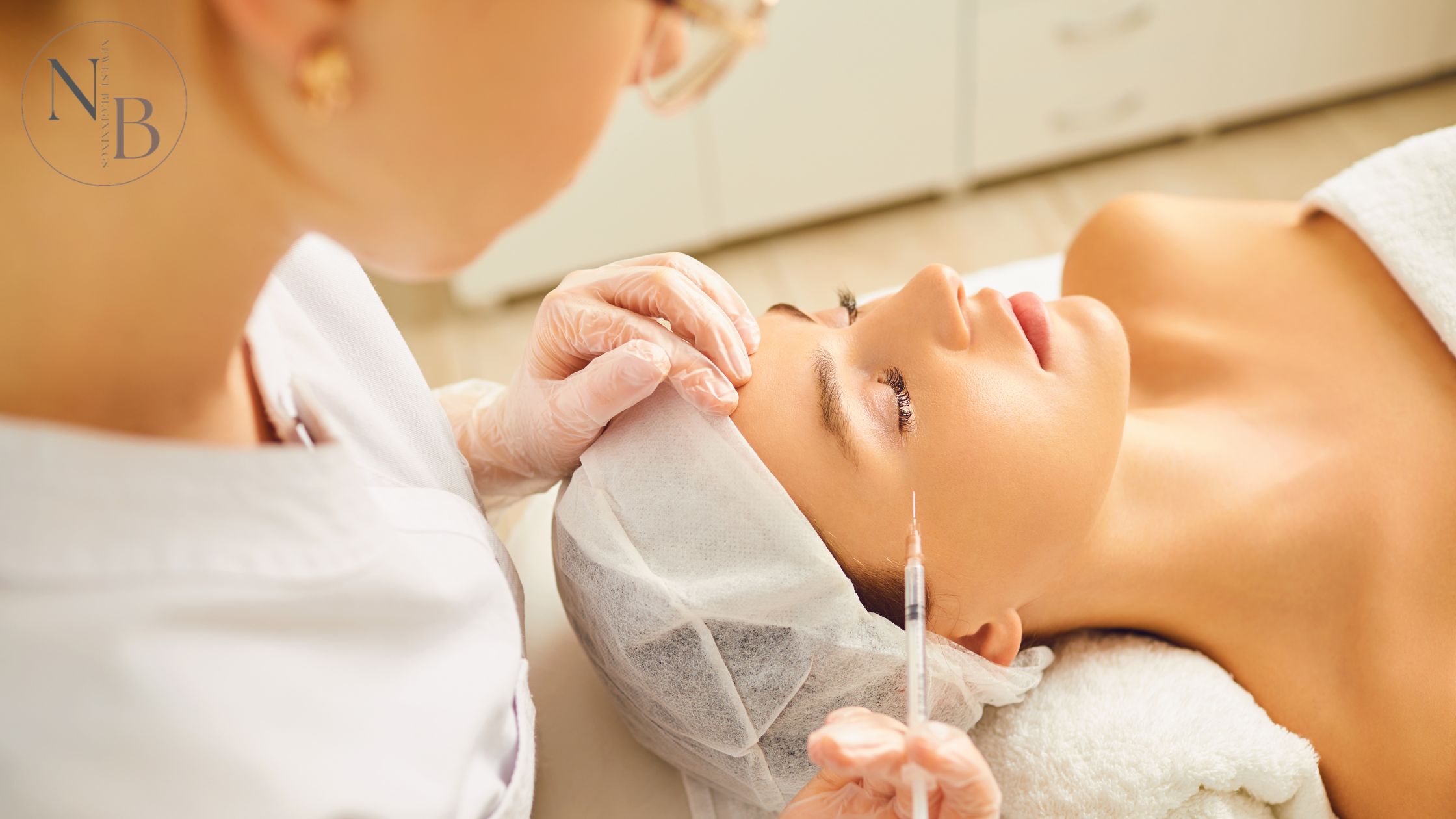
    If you’ve just had Botox, sleep isn’t the first thing you think about—until you realize it actually matters. The way you sleep after Botox can affect your results, at least for the first night. Here’s the reality: Botox isn’t something that migrates all over your face with a single touch, but it does need a little respect in the first hours. So let’s get straight into the details.


    Why Sleep Position Matters

    Botox works by relaxing muscles under the skin where it’s injected. Once it’s in place, it needs a little time to “settle” and start binding at the neuromuscular junction. That’s why practitioners usually tell patients to avoid pressing on the treatment area, rubbing their face, or lying down immediately after injections. Pressure in the wrong spot during that early window could, in theory, shift things slightly. It’s not common, but why risk it?

    Your injector will usually recommend avoiding lying flat for at least 4 hours after treatment. That’s not forever—it’s just a short period where the product is stabilizing. After that, sleep position becomes less critical, but many people still want to know the “safe” way to get through the first night without second guessing.


    The First Few Hours: Upright Matters Most

    • Stay upright for 4 hours. This is the golden rule. Go run errands, work, or just relax. What you don’t want to do is lie down for a nap right after your appointment.

    • Skip rubbing or massaging your face. Even when you feel an itch, try to resist. Let the injection sites breathe.

    • No leaning forward for long stretches. That means skipping things like bending over for chores or exercise during this early window.

    Once you’ve passed those 4 hours, you can technically go to bed as usual. But some people like to take extra precautions to maximize results.


    Sleeping Positions After Botox

    Here’s where things get specific.

    • Best option: Sleeping on your back. This puts no pressure on your face and avoids direct contact with a pillow. If you can stay like this, it’s ideal.

    • Side sleepers: You can sleep on your side after that 4-hour mark, but if you press deeply into the pillow, you might worry about putting pressure on freshly treated areas. It’s not likely to cause major issues, but if you want to be cautious, try using a travel pillow or positioning pillows around you to stay on your back.

    • Stomach sleepers: This is the least recommended for the first night. Pressing your whole face into the pillow right after Botox is not ideal. If you’re a lifelong stomach sleeper, at least try to avoid it the first night.

    So, in short: upright for 4 hours, then back sleeping is the “safe” choice. Side is okay if you can’t avoid it. Stomach—not the best, especially day one.


    Common Mistakes People Make

    1. Going straight to bed after treatment. Even a short nap right away breaks the 4-hour guideline.

    2. Using ice packs or massaging the area. This can spread the product before it’s set.

    3. Overthinking. Small movements, expressions, or brushing your teeth aren’t going to ruin your results. The main risk is firm, prolonged pressure.


    What Happens If You Don’t Sleep Correctly?

    In most cases, nothing catastrophic. Botox is fairly stable once injected by a trained professional. But the worst-case scenario is product migration—like diffusion into a nearby muscle you didn’t want treated. That’s rare, but it can lead to uneven results, such as a slightly droopy eyelid. This is why injectors give those simple guidelines. They’re about stacking the odds in your favor, not scaring you.


    The Benefits of Following These Guidelines

    • Better consistency in results. You give your Botox the best environment to work exactly where it was placed.

    • Peace of mind. You won’t wake up wondering if you ruined your treatment.

    • Longer-lasting effects. While sleep position doesn’t extend Botox lifespan directly, starting off right makes sure your results are as smooth and natural as possible.

    And when you’re investing in your appearance, a little extra care pays off.


    Why Choosing the Right Injector Matters More Than Sleep

    Here’s the honest truth: the skill of your injector is far more important than whether you roll onto your side by mistake one night. At Newest Beginnings, all treatments are done by trained professionals who understand facial anatomy in detail. That’s what ensures safe placement, balanced results, and a lower chance of side effects. Proper technique means you don’t have to live in fear of every small movement you make afterward.

    If you’re considering treatment, you can book a Botox consultation in Old Bridge, NJ with our team to talk through your goals. Or, if you’re closer to Hudson County, check our Botox services in Jersey City, NJ. We also serve Florida patients with Botox in Boca Raton and Botox in Greenacres.


    Other Aftercare Tips That Pair With Sleep

    Since people usually ask about this in the same breath, here are a few reminders:

    • Avoid alcohol, saunas, and heavy workouts for 24 hours.

    • Don’t schedule facials, massages, or dental work the same day.

    • Expect some redness, swelling, or small bumps at the injection sites. These usually go away within hours.

    These habits do more to protect your investment than worrying endlessly about your pillow.


    Pricing and Ongoing Specials

    The cost of Botox depends on how many units you need, the area being treated, and the injector’s expertise. At Newest Beginnings, we don’t list a single flat price because everyone’s needs are different. The best way to know what your treatment will cost is through a consultation. We also run seasonal offers and loyalty specials, so it’s smart to check our current Botox specials before booking.


    Final Word

    If you want the short version:

    • Stay upright for 4 hours.

    • Sleep on your back the first night if you can.

    • Avoid pressure directly on your face.

    • Don’t stress if you accidentally roll over for a few minutes—it’s not the end of the world.

    The real key is finding skilled injectors you trust, and that’s exactly what we provide at Newest Beginnings. Call our office for the latest information and to schedule your consultation. We’ll guide you on the right number of units, the right placement, and the right aftercare—so you can relax, sleep, and wake up confident in your results.
  • How Can You Extend the Effects of Botox?

    How Can You Extend the Effects of Botox?

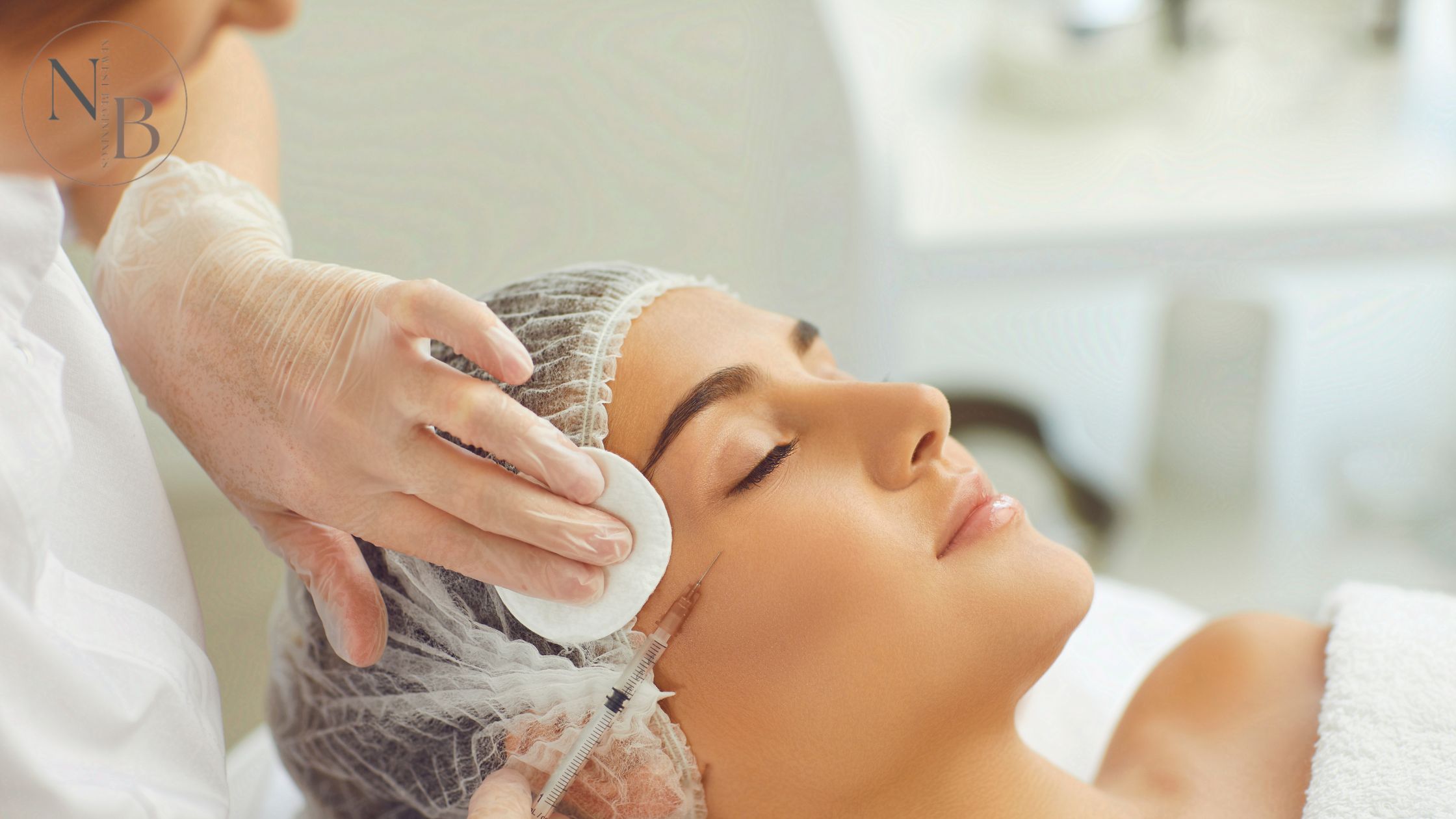
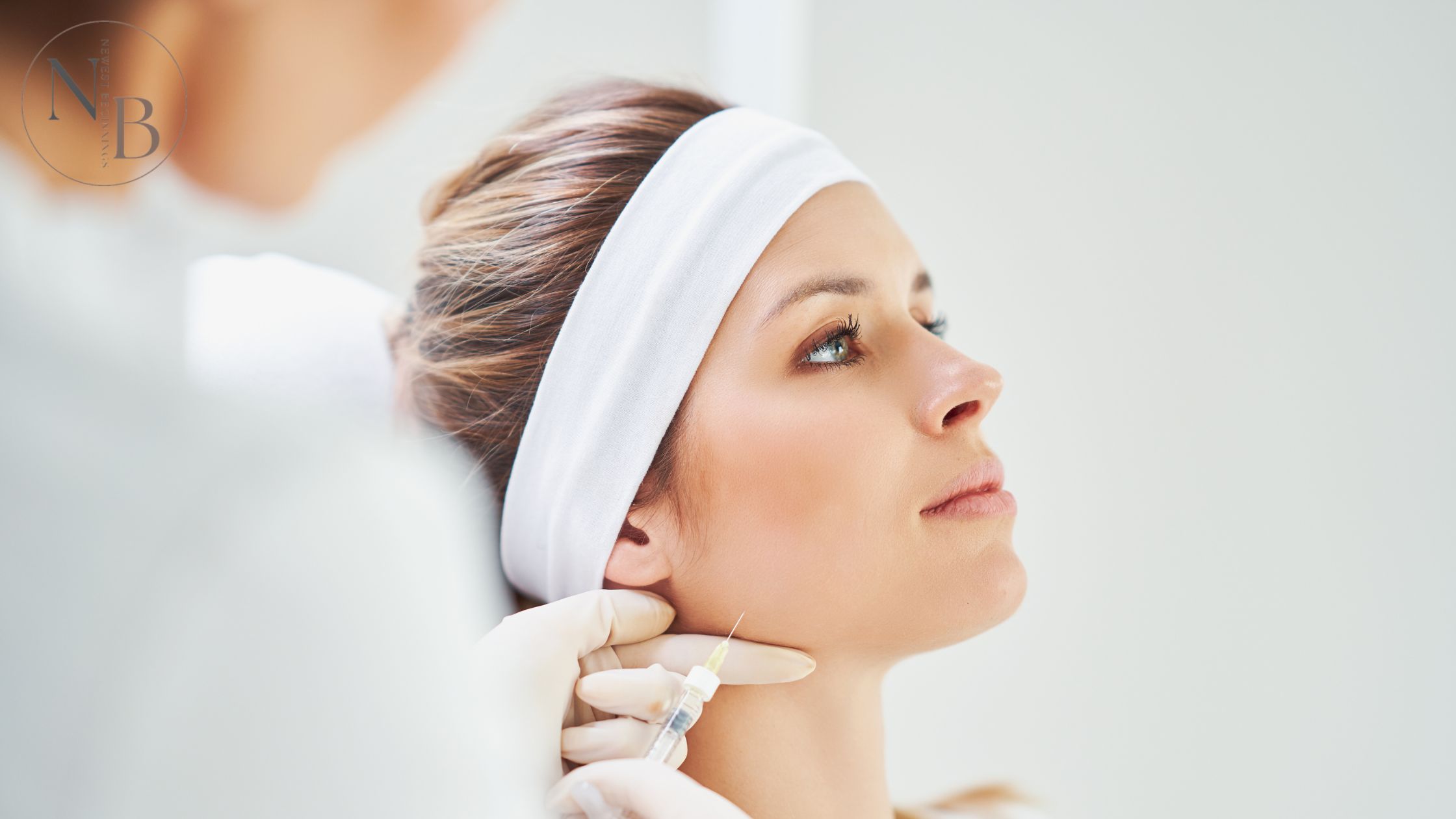
    When people get Botox, they usually ask the same follow-up question: how long does it last, and what can I do to make it last longer? Botox isn’t permanent. On average, you’re looking at 3–4 months before the effects fade, sometimes a little longer depending on your body, your injector, and your lifestyle. But there are ways to get more mileage out of your treatment. The truth is, it’s not about a single trick. It’s about a mix of factors—your skin health, your routine, and the experience of the injector.

    Let’s break it down.

    1. Timing and Maintenance Injections

    Botox doesn’t just “stop working” overnight. What happens is your muscles slowly regain movement as the product wears off. The key here is consistency. If you wait until every last effect is gone, those muscles retrain themselves to move the way they used to. That means deeper creases can form again.

    Most providers recommend maintenance injections every 3–4 months. For some people, especially first-timers, it may be closer to 3 months. With regular treatments, the muscles weaken over time, which can actually make Botox last a bit longer because the muscle “forgets” how to contract strongly. This is why many clients notice that by their third or fourth session, they can sometimes stretch out the time between appointments.

    2. Sun Protection Really Matters

    UV exposure breaks down collagen and elastin in your skin, and it can also speed up how quickly Botox wears off. Daily sunscreen isn’t just about anti-aging—it literally helps Botox results stay visible longer. Even if you don’t burn easily, UV light causes changes underneath the skin that reduce the smooth effect you’re paying for.

    So: use a broad-spectrum sunscreen, reapply if you’re outdoors for hours, and wear a hat when you can. It’s not exciting advice, but it’s one of the most practical ways to preserve your results.

    3. Skincare and Hydration

    Botox works on the muscle, not directly on the skin. But if your skin is healthy, hydrated, and supported with a good skincare routine, the overall look is more refined and the smoothness is more noticeable.

    Think of things like a medical-grade moisturizer, retinoids, and antioxidants (like vitamin C serums). These don’t extend Botox in the literal sense, but they make your results appear better for longer. Dehydrated, dull skin tends to make any fine line stand out faster.

    4. Stress and Lifestyle Choices

    This is the part people don’t always want to hear. High stress, poor sleep, smoking, and heavy alcohol use all impact your skin and your body’s metabolism. Stress makes you unconsciously frown and squint more. That overuse of muscles means Botox has to fight harder to keep lines at bay.

    Regular exercise is healthy and recommended, but here’s a small note: people who do very high-intensity workouts multiple times a week sometimes notice their Botox wears off a little quicker. That’s because their body metabolizes the product faster. It doesn’t mean you need to stop working out—just don’t be surprised if you’re on the shorter end of that 3–4 month window.

    5. Picking the Right Injector

    Not all Botox treatments are the same. The skill of the injector, the dilution of the product, and the placement of each injection all impact how long your results last. Trained professionals know how to target the right muscles, at the right depth, and with the right amount. If the dosage is too low, your results will fade faster. If placement is off, the product doesn’t do its job as well.

    At Newest Beginnings, all Botox treatments are performed by experienced injectors who focus on both natural results and longevity. If you’re local to New Jersey, you can book a free consultation for Botox in Old Bridge or check our Jersey City location. If you’re in Florida, we also offer Botox in Boca Raton and Botox in Greenacres. Each location has trained professionals who can personalize your treatment.

    6. Don’t Skip Aftercare Instructions

    After your appointment, what you do in the first 24–48 hours matters. Your injector probably told you: don’t rub the treated areas, avoid laying flat right after, skip the gym for a day, and don’t get facials or heat treatments too soon. This isn’t just formality—if you ignore these instructions, the Botox can migrate, or it may not settle in as effectively. That can shorten the results.

    Following aftercare guidelines might be the easiest way to protect the investment you just made.

    7. Consider Combining with Other Treatments

    Another way to extend and enhance Botox results is by combining it with complementary treatments. For example, dermal fillers can address volume loss while Botox handles muscle movement. Skin treatments like chemical peels or microneedling improve skin quality, which makes Botox results look better overall.

    It’s not about piling on treatments—it’s about a strategy. Your injector can map out a plan that supports longer-lasting results.

    8. Nutrition and Wellness

    A balanced diet doesn’t directly “lock in” Botox, but your body’s overall health influences how quickly it metabolizes anything, including cosmetic injectables. Eating nutrient-dense foods, staying hydrated, and avoiding excessive sugar and processed foods all support skin health. Healthy skin pairs better with Botox.

    9. What Happens If You Don’t Follow Any of This

    Nothing dangerous happens if you don’t do these things. The product simply wears off at the normal pace. But the difference is whether you see results closer to 2.5 months or 4–5 months. And if you’re investing in your appearance, it makes sense to stretch those benefits as much as possible.

    10. Check for Specials and Ongoing Promotions

    Pricing is another question we get all the time. The truth is, Botox costs vary depending on how many units you need, where you’re treating, and what specials are running at the time. There isn’t one flat number that fits everyone.

    We always encourage new clients to look at our ongoing specials page. It’s updated regularly, and it’s the easiest way to see if there’s a package deal or promotional offer that makes sense for you.

    Bottom Line

    Extending the effects of Botox is less about a magic hack and more about a collection of habits and smart choices. Protect your skin from the sun. Stay hydrated. Follow aftercare rules. Keep up with maintenance appointments. And, most importantly, choose skilled injectors who know how to personalize your treatment.

    At Newest Beginnings, we focus on natural-looking, longer-lasting results with Botox and other medical spa services. Call our office today to get the latest information on pricing, treatment options, and special promotions available in your area.

  • What Should You Know Before Your First Botox Session?

    What Should You Know Before Your First Botox Session?

    The first thing to know about Botox: it’s a medical procedure. Not just a “beauty treatment” you casually book like a manicure. It involves injections into specific muscles, and it needs to be done by someone trained, licensed, and experienced. At Newest Beginnings, our providers are medical professionals who inject every day, and that matters more than you think. Skill equals results. Skill also equals safety.

    How Botox Works

    Botox is short for botulinum toxin type A. It’s a purified protein that temporarily relaxes muscle activity. When those tiny muscles stop contracting so hard, the lines on top — forehead lines, frown lines, crow’s feet — soften. It doesn’t “fill” wrinkles, it prevents the motion that creases skin.

    Results aren’t instant. Expect to see the effect gradually over 3–7 days, with full results around two weeks. And it’s not permanent. Effects usually last 3–4 months. Some people stretch to 5–6 months. Others metabolize it faster and see results fade closer to 10–12 weeks. There isn’t one number. There’s a range.

    Consultation Comes First

    Before you get injected, you’ll have a consultation. This is where a trained injector maps your facial anatomy, looks at muscle strength, asks about your goals, and gives you a plan. Not everyone needs the same number of units, and not every wrinkle should be treated the same way. For example, someone with strong forehead muscles might need 20 units up there, while another person only needs 10.

    If you’re considering treatment, you can schedule a free Botox consultation in Old Bridge, NJ, Jersey City, Boca Raton, or Greenacres, FL. During that visit, you’ll get a realistic quote based on your muscles, not a flat package.

    What to Expect the Day of Treatment

    • No anesthesia needed. The needles are very fine. You’ll feel a small pinch.

    • It’s quick. Most sessions take 10–15 minutes.

    • Minimal downtime. No facials, heavy workouts, or lying flat for a few hours. Otherwise, you’re fine to return to work or errands.

    • Tiny marks. You may see a red bump or slight bruise at the injection site. Usually gone in a day or two.

    Common Mistakes People Make Before Botox

    • Shopping by price only. Cheap Botox often means diluted product or inexperienced injectors. That can lead to uneven results or wearing off too quickly.

    • Thinking one size fits all. Copying a friend’s treatment plan is a mistake. Everyone’s face is different.

    • Expecting instant results. It doesn’t freeze your face on the spot. It takes time to set in.

    • Skipping research. Make sure the injector is medically trained, ideally in a reputable med spa like Newest Beginnings.

    Benefits Beyond Wrinkles

    Most people come in thinking Botox is about looking younger. It is, but there’s more. It can help prevent deeper lines from forming if you start early. It can slim the jawline by reducing clenching. It can help with excessive sweating (hyperhidrosis). Some even get relief from chronic tension headaches or migraines. These uses aren’t just cosmetic — they improve daily comfort.

    How Much Botox Do You Need?

    This depends on:

    • Treatment area – forehead lines, frown lines, crow’s feet, lip flip, chin dimpling, jawline, etc.

    • Muscle strength – stronger muscles = more units.

    • Desired result – subtle softening vs. full smoothing.

    Average ranges:

    • Forehead lines: 10–20 units

    • Frown lines (“11s”): 15–25 units

    • Crow’s feet: 10–15 units per side

    But don’t lock onto numbers. These are ballparks. You won’t know your exact treatment plan until a professional evaluates you.

    Cost and Specials

    Botox pricing varies. Some med spas charge per unit. Others by area. At Newest Beginnings, we provide transparent quotes during consultation. The cost per unit is competitive, but exact totals depend on your muscle strength and goals.

    Before you guess what you’ll pay, check our current Botox specials. Prices can change based on ongoing promotions, and we often run seasonal offers.

    Safety and Side Effects

    When injected correctly, Botox is safe and effective. Possible side effects are mild and temporary — tiny bruises, slight headache, or eyelid heaviness that resolves as the product settles. Serious side effects are extremely rare when you’re treated by a licensed, experienced injector.

    What’s not safe? Going to untrained providers, bargain “Botox parties,” or anyone who can’t show you credentials. That’s where risks of uneven brows, drooping eyelids, or ineffective results increase.

    How to Prepare

    • Don’t take blood thinners (like aspirin or ibuprofen) for a few days before treatment, unless prescribed by your doctor. This helps reduce bruising.

    • Avoid alcohol for 24 hours before.

    • Come with a clean face, no heavy makeup.

    • Tell your injector about any medical conditions or medications.

    The Positives You Can Expect

    • Smoother lines, softer expressions.

    • A more rested, approachable look.

    • Prevention of future wrinkles if you maintain treatments.

    • Confidence in your appearance.

    The bottom line: Botox is a simple, safe, and quick way to refresh your look when done by professionals.

    Final Note

    If you’re considering Botox for the first time, the smartest move is a consultation. You’ll learn what your face needs, what it might cost, and what kind of results you can realistically expect. At Newest Beginnings, our injectors are top-rated, medically trained, and trusted by clients across New Jersey and Florida.

    Call our office today to get the latest information and pricing on Botox treatments. Don’t guess, and don’t wait — book a free consultation and let us design a plan that fits you.

  • What Things Should Be Avoided After Botox Treatment?

    What Things Should Be Avoided After Botox Treatment?

    Botox is one of the most popular cosmetic treatments worldwide because it’s quick, effective, and has little to no downtime. Still, even though the procedure itself is simple, what you do afterward matters a lot. The way you care for your skin and body in the hours and days following Botox injections can influence how well the treatment works, how long the results last, and whether you end up with unwanted side effects. Below is a breakdown of what to avoid after Botox, why it matters, and what you can do instead to maximize your results.


    1. Avoid Touching or Rubbing the Treated Area

    It can be tempting to press, rub, or even massage the spots where the injections were done. This is one of the most common mistakes people make. The issue is that Botox needs time to settle into the targeted muscles. Touching or applying pressure can cause it to migrate to nearby areas. That can lead to uneven results, like drooping eyelids or an unnatural look. As a rule, avoid manipulating the area for at least 24 hours.

    Instead: Keep your hands off and let the product do its job.


    2. Skip Strenuous Exercise for the First Day

    Exercise raises your heart rate and increases blood circulation. That sounds good for overall health, but immediately after Botox, it’s not helpful. Increased circulation can cause Botox to spread beyond the intended muscles. You also risk bruising at the injection sites if blood flow is ramped up too quickly. High-impact workouts, weightlifting, hot yoga—those are best put on pause for at least 24 hours.

    Light walking or gentle movement is usually fine, but anything that makes you sweat heavily or raises your blood pressure should wait until the next day.


    3. Stay Upright for a Few Hours

    This one is simple but easy to forget. Lying flat or bending over for long periods within the first 4 hours after treatment can shift the Botox. It’s best to remain upright and avoid activities that require your head to be lower than your chest.

    Instead: Sit, stand, or walk around as usual. Plan to do desk work, errands, or light social activities rather than nap or do yoga inversions.


    4. No Alcohol Right Away

    Alcohol thins the blood. Drinking right before or after Botox increases your risk of bruising at the injection sites. It doesn’t impact the effectiveness of Botox itself, but the bruising can make the recovery less smooth. Try to avoid alcohol for at least 24 hours both before and after treatment.

    If you’re planning a night out, it’s better to schedule your appointment a few days ahead so you won’t feel restricted.


    5. Hold Off on Skincare Treatments and Facials

    Botox and aggressive skincare don’t mix in the early stages. Chemical peels, microdermabrasion, microneedling, or even strong facial massages can interfere with the way Botox settles. It’s not just about the skin—it’s the manipulation of underlying tissue that can cause migration. A safe buffer is about two weeks before resuming these treatments.

    Gentle cleansing and moisturizing are fine, but skip anything too abrasive or stimulating until your injector gives the all-clear.


    6. Avoid Heat Exposure

    Heat dilates blood vessels and increases circulation, which, as mentioned earlier, can cause Botox to move out of place. This includes hot tubs, saunas, steam rooms, and even overly hot showers. Sunbathing or tanning beds can also increase swelling or irritation.

    Give it at least 24–48 hours before exposing your face to high heat. Protecting your skin from UV damage is a good idea at all times, but especially right after injections.


    7. Don’t Take Blood-Thinning Medications or Supplements Without Guidance

    Common over-the-counter options like aspirin, ibuprofen, and certain supplements (like fish oil, vitamin E, or ginkgo biloba) can increase your risk of bruising. If you’re taking them under a doctor’s guidance, don’t stop without permission—but if they’re optional, avoid them for a few days before and after treatment.

    Always check with your provider first, especially if you’re on prescription medications.


    8. Be Patient and Don’t Overdo It

    A big mistake people make is expecting immediate results. Botox doesn’t work like filler. It can take anywhere from 3–7 days for the effects to fully set in, with peak results around two weeks. Calling your provider the next day to “add more” isn’t helpful. If you’re still noticing movement after two weeks, then it may make sense to schedule a follow-up.

    Trust the process and give your body time to respond.


    9. Avoid Sleeping on Your Face

    In the first night or two after treatment, try not to sleep face-down. The pressure can interfere with how Botox spreads and settles. Back sleeping is the safest option. If you tend to roll onto your stomach or side, use extra pillows to help keep yourself in position.


    10. Don’t Skip Professional Follow-Ups

    The real key to getting the best results is not just avoiding things, but also staying in touch with your injector. Botox isn’t permanent—it typically lasts 3–4 months. Regular touch-ups help maintain a smooth, consistent look. Following professional aftercare advice tailored to your unique anatomy always beats guesswork.


    Why Following These Steps Matters

    All of these guidelines come down to one goal: ensuring Botox stays exactly where it’s supposed to be. When patients avoid rubbing, heavy exercise, alcohol, or other disruptors, the treatment tends to last longer and look more natural.

    At Newest Beginnings, our injectors are trained professionals who take a conservative and customized approach. We always recommend patients check in if they have questions after treatment. Every face is different, and recovery guidelines can shift slightly depending on the treatment areas.


    Getting Started with Botox at Newest Beginnings

    If you’re considering Botox, it’s best to do it with an experienced provider who knows how to guide you before, during, and after treatment. At Newest Beginnings, we offer Botox in multiple locations, each staffed by professionals who prioritize both safety and aesthetic results:

    You can book a free consultation to discuss whether Botox is right for you, what results you can expect, and how to plan around your lifestyle. We also recommend checking our ongoing specials—pricing can vary depending on the number of units, treatment areas, and current promotions.


    Final Thoughts

    What you avoid after Botox is just as important as the treatment itself. Staying upright, skipping the gym for a day, holding off on alcohol, and being patient are all simple steps that can make a big difference in your results. If you want your treatment to look natural and last, follow these guidelines and lean on professional advice.

    For the most accurate and up-to-date information—including pricing and current specials—call Newest Beginnings today. Our team will walk you through everything you need to know so you feel confident and comfortable every step of the way.

  • What Does 20 Units of Botox Typically Cost?

    What Does 20 Units of Botox Typically Cost?

    When people first start looking into Botox, one of the most common questions is: “How much does 20 units of Botox cost?” And it makes sense. Twenty units is a standard starting point for popular areas like the forehead or crow’s feet. But the answer isn’t a fixed number. Botox pricing can shift based on location, injector experience, ongoing promotions, and how your body responds. So, instead of giving you a single figure, let’s break it down into ranges, real-world factors, and what you should know before booking treatment.

    Average Cost Per Unit

    Botox is usually priced per unit. Across the U.S., the average cost per unit falls between $10 and $20. That means 20 units could range anywhere from $200 to $400. In some high-demand markets, it might go slightly higher, while smaller towns and clinics may charge less.

    At Newest Beginnings, we recommend checking our specials page because we often run discounts or bundled offers that bring down the overall cost. Botox isn’t something where you want the cheapest deal available at all costs, but smart specials from a top-rated medical spa can help make treatments more affordable.

    Why 20 Units Matters

    Why is “20 units” a common reference point? For many patients, this is about the right amount to treat mild-to-moderate forehead lines or crow’s feet around the eyes. It’s not always exact — some people may need 15, others 25 or even 30 depending on muscle strength, skin condition, and goals.

    The important thing is that Botox dosing is personalized. What works for your friend may not be right for you. A skilled injector will assess facial structure, expression patterns, and balance before deciding if 20 units is really the right amount.

    Cost Examples by Area

    To give you a more practical picture, here’s how 20 units typically apply:

    • Forehead lines: 10–20 units. If you only need a softer refresh, you might not use the full 20. 
    • Crow’s feet: 5–15 units per side. That means both eyes combined could easily add up to 20 units. 
    • Glabellar (frown) lines: Often 15–25 units. This area can sometimes push the total beyond 20 if muscles are strong. 

    This is why cost is so variable. One person may need 20 units in total for a subtle refresh, while another might need closer to 40 units for multiple areas.

    What Affects Pricing Beyond the Per-Unit Cost

    1. Injector expertise: Trained, experienced injectors cost more — and they should. Proper placement means smoother results and less chance of complications. At Newest Beginnings, all injections are performed by trained medical professionals with advanced techniques. 
    2. Clinic reputation: A top-rated medical spa with strong patient satisfaction (like ours) typically charges toward the middle-to-higher end of the range, but you’re paying for safety, consistency, and lasting results. 
    3. Location: Botox in New York or Florida might not cost the same as Botox in the Midwest. Our clinics in Old Bridge, NJ, Jersey City, NJ, Boca Raton, FL, and Greenacres, FL have slightly different rates based on local demand and operating costs. 
    4. Specials and packages: Buying treatments as a package or joining a loyalty program often reduces the per-unit price. Always check current promotions. 

    Common Mistakes People Make

    A lot of people misunderstand Botox pricing because they only look at the per-unit number. Here are a few mistakes to avoid:

    • Shopping only for the lowest cost. The cheapest option often means less experienced injectors or diluted products. Results may not last, or worse, you may need corrections later. 
    • Assuming everyone needs the same dose. Dosing is individualized. A small-framed person with softer muscles may need less than someone with stronger facial expressions. 
    • Not factoring in touch-ups. Botox typically lasts three to four months. That means budgeting for treatments a few times a year to maintain results. 

    Benefits of Choosing a Professional Medical Spa

    Botox done correctly doesn’t just smooth lines — it makes your whole face look fresher and more relaxed without looking “frozen.” The benefit of choosing a professional spa like Newest Beginnings is not just in the results but also in the overall safety and comfort.

    Our providers are medically trained, our clinics are top-rated, and our patients consistently come back because they see natural results that last. If it’s your first time, we’ll walk you through every step so you know what to expect. And if you’ve had Botox before but weren’t thrilled with the outcome, we can adjust your treatment plan to better fit your goals.

    What Happens If You Don’t Get the Dose Right

    Too few units and you’ll barely notice a difference. Too many units and you risk stiffness or heaviness. That’s why it’s not just about the cost of 20 units — it’s about how those units are placed and whether that amount is right for you.

    The truth is, a skilled injector can make 20 units stretch further and look better than a less experienced injector who uses the same amount. Technique matters just as much as product.

    Botox Is an Investment

    Think of Botox not as a one-time purchase but as a maintenance treatment. Most people schedule Botox three to four times per year. Over time, some patients find they need fewer units because the treated muscles weaken, making lines less pronounced even without treatment. That means while you may start at 20 units per session, you might maintain results with less over time — which helps reduce overall cost.

    Realistic Price Range for 20 Units

    So, let’s circle back. If you’re trying to budget for 20 units of Botox, here’s what to keep in mind:

    • Low end: Around $200–$250 at smaller clinics or with new providers. 
    • Average: $300–$400 at reputable, mid-range medical spas. 
    • High end: $450–$600 at high-demand locations or with top injectors. 

    But again, check for promotions. At Newest Beginnings, we regularly update our special offers, so your actual cost could be lower depending on when you book.

    How to Decide if 20 Units Is Enough

    The best way to know if 20 units is right for you is to schedule a consultation. An injector can evaluate your face in motion, not just at rest, and recommend the exact number of units. That way you don’t overpay for more than you need, but you also don’t walk away disappointed by under-treating.

    If you’re in New Jersey or Florida, you can schedule a free consult at our Old Bridge, Jersey City, Boca Raton, or Greenacres locations.

    Bottom Line

    The cost of 20 units of Botox usually falls somewhere between $200 and $400, though it can go higher depending on location, injector expertise, and demand. It’s not a one-size-fits-all treatment, and the best results come from personalized dosing.

    At Newest Beginnings, we focus on natural, safe, and lasting outcomes with top-rated injectors and ongoing specials to make treatments more accessible. Call our office today to get the latest information and prices — and ask about current promotions that may help you save.

  • What Happens to Botox When It Wears Off?

    What Happens to Botox When It Wears Off?

    Botox doesn’t last forever. That’s the first thing to know. When people ask what happens when it “wears off,” they’re usually worried about whether their face is going to suddenly look worse than before or if they’ll see some weird side effect. The truth is less dramatic and much more practical: Botox slowly fades, and the areas that were treated simply start moving again over time.

    How Botox Works in the First Place

    Botox is a purified protein that works by temporarily blocking the signals between nerves and the muscles they control. In plain terms: when you frown or raise your eyebrows, your muscles contract and cause wrinkles. Botox tells those muscles to take a break.

    It doesn’t damage the muscle. It doesn’t erase it. It just pauses the constant contraction that leads to lines and creases. That’s why it’s such a widely used and trusted treatment for reducing fine lines, especially in the forehead, crow’s feet, and frown lines.

    The Timeline: How Long Does Botox Last?

    Most people start seeing results within a few days after their injections, and the effect peaks at around two weeks. On average, the smoothing and softening last three to four months. Some people may notice results fading closer to two months, while others can go as long as six months.

    The variation comes down to a few factors:

    • Metabolism: Faster metabolisms tend to process the protein more quickly.
    • Muscle strength: If you have very strong facial muscles, they may return to movement sooner.
    • Dosage and placement: How much Botox was used and exactly where it was placed affects how long it holds.
    • Lifestyle factors: Regular intense exercise, stress, and even sun exposure can influence how quickly the effects fade.

    What Happens When It “Wears Off”?

    When Botox wears off, your muscles gradually regain their ability to contract. It’s not like a switch flipping overnight. It’s a slow process, where you start noticing movement creeping back in.

    The wrinkles or lines that were softened will also start to become visible again. They don’t usually look worse than before. They just look the way they did pre-treatment. If anything, regular Botox use can actually help prevent deepening of lines because the muscles haven’t been over-contracting during the months you were treated.

    Will My Face Look “Older” When Botox Wears Off?

    This is one of the biggest misconceptions. No, you won’t suddenly look older the second it fades. You’ll just return to your natural baseline. If you’ve been getting Botox consistently, your baseline might actually look better than it would have otherwise, because you’ve given those muscles a break.

    Think of it this way: years of repeated frowning or squinting carve lines into the skin. Botox temporarily halts that repetition. When it fades, your face goes back to moving, but you haven’t added months of constant folding during the time Botox was active.

    Common Mistakes People Make

    1. Waiting too long between treatments: If you’re aiming for ongoing smoothness, it’s better to schedule your next session before everything has completely worn off.
    2. Expecting permanent results: Botox isn’t surgery. It’s temporary by design. That’s part of why it’s safe and adjustable.
    3. Not choosing a trained injector: Placement is critical. At Newest Beginnings, our professional injectors have extensive training, which means your results look natural, not frozen.

    When Should You Schedule Your Next Botox?

    The best time to schedule is when you start noticing movement returning but before the wrinkles become deeply etched again. For most patients, that’s around three to four months.

    This timing helps maintain a consistent, refreshed look rather than going through cycles of full movement and then complete smoothness. It also gives you more control over how your appearance changes rather than waiting until lines become stubborn again.

    Why Maintenance Matters

    Think about it in terms of prevention. By keeping up with treatments, you’re essentially training your muscles not to over-contract. Over the long term, this means lines develop more slowly and stay softer even between treatments.

    Skipping a session isn’t dangerous, but it does mean you’ll eventually go back to the same wrinkle pattern you had before. Regular maintenance is what turns Botox from a short-term fix into a long-term anti-aging strategy.

    How Much Botox Do You Need?

    There’s no one-size-fits-all. Some people need a small amount, just a few units, to soften lines. Others need more, depending on muscle strength and the area being treated. That’s why consultations are important. We tailor the dosage and placement to your face, your goals, and your natural movement.

    For the most accurate pricing and to check if we’re running promotions, it’s best to review our latest Botox specials.

    Locations to Book a Consultation

    We provide Botox treatments in multiple locations, all with highly trained injectors and a reputation for natural, balanced results. If you’re ready to set up a consultation or want to talk through your options, you can book directly at the location nearest you:

    Positive Takeaway

    The idea of Botox “wearing off” can sound like something negative, but in reality, it’s a controlled, temporary process. Your muscles slowly come back to life, and you get to choose if and when you want to keep up with treatment. There’s no permanent change when it fades, and with regular sessions, the benefits actually compound over time.

    If you’re curious about starting Botox or if you’re due for your next treatment, call Newest Beginnings for the latest information and pricing. Our team will walk you through everything and make sure your results are natural, safe, and exactly what you’re looking for.

  • What Are the Disadvantages of Botox? (And How to Avoid Them)

    Botox is one of the most popular non-surgical treatments for reducing fine lines and wrinkles. It works by relaxing the muscles that cause those lines, leading to smoother skin and a refreshed appearance. It’s quick, doesn’t require downtime, and is widely trusted by millions of people every year.

    But like any cosmetic treatment, it’s not perfect. There are possible downsides. The good news: most of these disadvantages can be avoided if you understand them upfront and work with trained medical professionals.

    Let’s go through the main drawbacks, why they happen, and what you can do to minimize the risks.

    1. Bruising or Swelling After Injections

    The issue:
    Some people notice temporary redness, swelling, or bruising at the injection site. This happens because Botox is delivered through a small needle, and any time a needle enters the skin, it can hit tiny blood vessels.

    How to avoid it:

    • Choose an injector who is highly skilled in facial anatomy.

    • Avoid blood-thinning medications and supplements (like aspirin, ibuprofen, fish oil, or vitamin E) for about a week before treatment, unless your doctor advises otherwise.

    • Don’t rub or massage the area right after injections.

    When performed by an experienced injector, bruising is usually minimal or barely noticeable. And if it does happen, it fades quickly.

    2. Headaches or Mild Discomfort

    The issue:
    Some patients report a mild headache or pressure after Botox. This is often related to the injection itself rather than the product.

    How to avoid it:

    • Stay hydrated before and after treatment.

    • Rest after the procedure if you feel discomfort.

    • Use over-the-counter pain relief (as approved by your doctor) if needed.

    These side effects are typically short-lived, lasting only a day or two.

    3. Temporary Muscle Weakness in the Wrong Spot

    The issue:
    If Botox spreads beyond the targeted area, it can cause unwanted effects like a drooping eyelid, uneven eyebrows, or an unnatural look.

    How to avoid it:

    • Only get treated by a licensed medical provider who understands facial balance.

    • Follow aftercare instructions: don’t lie flat, exercise heavily, or rub your face for a few hours after treatment.

    Precise placement and correct dosing make all the difference. When done right, Botox should look natural — just a fresher version of you.

    4. Short-Term Results

    The issue:
    Botox isn’t permanent. Results usually last 3 to 4 months. For some, it might wear off a bit faster.

    How to avoid it:
    There’s no true way to make Botox last forever. But you can maximize your results by:

    • Scheduling treatments consistently.

    • Avoiding smoking and excess sun exposure, which accelerate wrinkles.

    • Maintaining a healthy lifestyle.

    The temporary nature of Botox can actually be a positive — your look can be adjusted over time as your face changes.

    5. Rare but Possible Side Effects

    The issue:
    Though uncommon, some patients may experience:

    • Dry eyes or excessive tearing.

    • Flu-like symptoms.

    • Allergic reactions (very rare).

    How to avoid it:
    Go to a trusted clinic that uses FDA-approved Botox and follows proper safety protocols. Share your medical history, medications, and allergies with your provider before the procedure.

    6. Cost Over Time

    The issue:
    Because Botox needs regular upkeep, the cost can add up over months and years.

    How to avoid it:

    • Work with a provider who helps you plan treatments strategically.

    • Focus on the areas that matter most to you instead of over-treating.

    • Ask about treatment packages or loyalty programs if available.

    Investing in professional Botox is safer and more effective than bargain hunting at questionable locations. Quality should always come first.

    7. The Risk of “Frozen Face”

    The issue:
    Everyone has seen examples where Botox looks overdone. The face doesn’t move naturally.

    How to avoid it:

    • Choose an injector who specializes in subtle, natural-looking results.

    • Be clear about your goals. If you want to keep some movement and expression, say so.

    At reputable clinics like Newest Beginnings, the aim is never to freeze your face — it’s to soften lines while keeping you looking like yourself.

    Why Most Disadvantages Are Avoidable

    Here’s the truth: the disadvantages of Botox are usually linked to two things — poor technique or improper aftercare. When you choose trained, experienced injectors who know facial anatomy and safety protocols, the risks drop dramatically.

    At Newest Beginnings in Old Bridge, NJ, our licensed professionals are highly trained and prioritize natural results. The same level of care is provided at our other locations:

    Every appointment includes a consultation where we discuss your goals, your medical history, and the best treatment plan for you.

    Final Thoughts

    Botox is safe, effective, and one of the most reliable cosmetic treatments available today. The disadvantages are real, but most of them are preventable when you make informed choices. That’s why working with a top-rated, medically trained team is so important.

    If you’re considering Botox, don’t settle for guesswork. Call Newest Beginnings to schedule a consultation and get the latest information on pricing, treatment options, and how we can help you achieve natural, refreshed results.

  • How does Botox work in the body?

    How does Botox work in the body?

    Botox is one of those treatments that people hear about constantly, but many don’t actually know how it works beyond the idea that it “gets rid of wrinkles.” That’s the simplified version. The real explanation is a little more mechanical and a little less glamorous, but it helps to understand if you’re considering the treatment yourself.

    What Botox Actually Is

    Botox is the brand name for a drug made from a neurotoxin called botulinum toxin type A. It’s made in a controlled lab process and comes in tiny, carefully measured doses that are safe when injected by a trained professional. It is not the raw toxin you hear about in relation to food poisoning — that’s botulism, which is dangerous. The medical form used for injections is purified, diluted, and regulated.

    The U.S. Food and Drug Administration (FDA) first approved Botox for medical use back in 1989, but at that time, it was used for eye muscle conditions. It wasn’t until 2002 that it was approved for cosmetic use to reduce wrinkles between the eyebrows. Since then, its approved uses have expanded, and it has become the most common nonsurgical cosmetic treatment worldwide.

    What It Does in the Body

    When Botox is injected into a muscle, it blocks signals between the nerves and that muscle. Specifically, it prevents the release of a chemical messenger called acetylcholine. That chemical is what tells your muscles to contract. With Botox in place, the muscle can’t contract as strongly. Instead, it relaxes.

    Wrinkles and lines on the face often come from repetitive muscle movements — raising your eyebrows, squinting, frowning, or even smiling. When the muscles keep moving the skin in the same way for years, those folds become permanent. By reducing how much the muscle moves, Botox makes the overlying skin look smoother.

    It’s not a filler. That’s a common confusion. Dermal fillers add volume under the skin. Botox works differently — it calms the activity of specific muscles.

    Where Botox Is Typically Used

    In cosmetic medicine, Botox is most often used on:

    • Frown lines between the eyebrows (the “11” lines)
    • Forehead lines
    • Crow’s feet at the corners of the eyes
    • Bunny lines (small lines on the sides of the nose)
    • Around the mouth for certain types of wrinkles
    • Neck bands in some cases


    If you’re considering treatment, Botox is available at our Old Bridge, NJ office as well as in Jersey City, NJ, Boca Raton, FL, and Greenacres, FL. Each location follows the same standards of safety and precision.

    Beyond cosmetic use, doctors also use Botox for conditions like chronic migraines, overactive bladder, excessive sweating, and even muscle stiffness in neurological conditions. The mechanism is the same: reducing overactive muscle activity or blocking unwanted nerve signals.

    How Long It Lasts

    Botox results aren’t permanent. On average, the effects last about three to four months. Some people see results fade sooner, while others notice it lasts up to six months. It depends on things like your metabolism, how often you move the treated muscles, and how much product was used.

    When the nerves slowly build new connections to the muscles, movement returns, and the lines can start to show again. That’s why many people repeat the treatment a few times per year to maintain smoother skin.

    Why People Get Botox

    The most obvious reason is to reduce visible wrinkles. But people also use it for preventative purposes. If you start Botox before deep lines set in, you may prevent or slow them from becoming permanent. That’s why more people in their late 20s or early 30s are choosing it.

    Botox can also help balance facial expressions. For example, if someone naturally frowns or looks tense even when they’re not, relaxing those muscles can give them a softer, calmer appearance.

    What the Procedure Involves

    A typical Botox appointment is quick. Here’s what usually happens:

    1. The provider cleans the skin in the treatment area.
    2. Small amounts of Botox are injected into the targeted muscles with a fine needle.
    3. There’s usually minimal discomfort — some people describe it as a quick sting.
    4. No downtime is required. You can typically go right back to work or daily activities.

    Full results don’t appear immediately. You might start to see changes in three to five days, with the maximum effect around two weeks.

    Common Mistakes and Misunderstandings

    • Over-treating. Too much Botox can leave the face looking stiff or unnatural. The goal isn’t to erase every line, but to reduce excessive muscle activity while keeping natural movement.
    • Wrong injector. Untrained or inexperienced injectors can place Botox in the wrong muscle, leading to uneven results like droopy eyelids or asymmetry.
    • Thinking it replaces skincare. Botox doesn’t improve skin texture, sun damage, or discoloration. It only affects muscle movement. For healthy skin, you still need good skincare and sun protection.
    • Expecting permanent results. Botox always wears off. Maintenance treatments are part of the process.

    What Happens If It’s Done Incorrectly

    If Botox is injected in the wrong area or in the wrong dose, side effects can include:

    • Drooping eyelids (called ptosis)
    • Uneven eyebrows
    • A lopsided smile
    • Difficulty swallowing if used in the neck
    • Headaches or flu-like symptoms (rare)

    Most of these effects fade as the Botox wears off, but they can last weeks. This is why choosing a qualified provider matters.

    Safety and Side Effects

    In general, Botox is considered safe when done correctly. Side effects are usually mild and temporary:

    • Redness or swelling at the injection site
    • Small bruises
    • Mild headache

    Severe complications are rare, especially in cosmetic doses. Still, patients with certain neuromuscular conditions, allergies, or who are pregnant or breastfeeding should avoid it. A consultation with a licensed provider is essential to make sure it’s the right choice.

    Cost Considerations

    Pricing varies depending on the number of units used and the area being treated. Smaller areas need fewer units, larger ones need more. Clinics often charge either per unit or per treatment area. Because results are temporary, you’ll need to budget for ongoing treatments if you want to maintain the effects.

    Why It Matters to Be Informed

    A lot of people rush into Botox because they want quick results, but without understanding how it works, they risk being disappointed. It’s not magic. It’s a precise medical procedure that depends on careful dosing, correct placement, and realistic expectations.

    Knowing the details helps you ask better questions during your consultation. You’ll be able to judge whether the provider is explaining things clearly and whether they have the experience to get the results you want.

    Final Thoughts

    Botox works by blocking nerve signals that make muscles contract. That’s it in the simplest terms. This reduces wrinkles caused by repetitive facial movements and can also help with several medical issues. The effects are temporary, lasting a few months, and the treatment has risks if not done correctly.

    If you’re considering Botox, don’t choose based on price alone or assume all providers are the same. The skill of the injector determines whether you end up with natural-looking, safe results or with side effects you don’t want.

    For the latest information on Botox and other treatments — and for clear pricing on what we provide — call our office at Newest Beginnings. You can also visit us online to learn more about our locations in Old Bridge, NJ, Jersey City, NJ, Boca Raton, FL, and Greenacres, FL.

  • Uncover Dysport’s top 10 uses for laugh lines and more!

    Uncover Dysport’s top 10 uses for laugh lines and more!

    Introduction

    Laugh lines, though a testament to a life filled with joy, can sometimes leave us feeling less confident about our appearance. Fortunately, with advancements in cosmetic procedures, there are effective ways to diminish these lines and restore a more youthful look. One such solution gaining popularity is Dysport, a botulinum toxin type A injection known for its wrinkle-smoothing effects. In this comprehensive guide, we’ll delve into the top 10 uses of Dysport and how it can help you bid farewell to laugh lines.

    Understanding Dysport: A Brief Overview

    Before we explore its various applications, let’s grasp the fundamentals of Dysport. Similar to Botox, Dysport is an FDA-approved injectable treatment primarily used to reduce the appearance of wrinkles and fine lines by temporarily paralyzing targeted facial muscles. It contains abobotulinumtoxinA, a neurotoxin that inhibits muscle contractions, thereby softening wrinkles and preventing new ones from forming.

    Unveiling the Top 10 Uses of Dysport

    Let’s embark on a journey through the diverse applications of Dysport and how it can transform your appearance for the better:

    1. Smoothing Laugh Lines

    Laugh lines, also known as nasolabial folds, are the creases that extend from the sides of your nose to the corners of your mouth. Dysport injections can effectively soften these lines, giving your face a smoother, more youthful appearance.

    2. Diminishing Forehead Wrinkles

    Forehead wrinkles, often caused by repeated facial expressions and aging, can be a source of self-consciousness for many individuals. Dysport targets the underlying muscles, reducing the depth and visibility of forehead lines.

    3. Erasing Crow’s Feet

    Crow’s feet, the fine lines that radiate from the corners of the eyes, can betray our age and make us appear tired or stressed. Dysport injections delicately smooth these lines, restoring a refreshed and rejuvenated look.

    4. Lifting Eyebrows

    As we age, the brows may droop, contributing to a tired or aged appearance. Dysport can be strategically injected to lift the brows, opening up the eyes and creating a more youthful, alert expression.

    5. Softening Marionette Lines

    Marionette lines, named after the strings used to manipulate puppets, are the vertical lines that extend from the corners of the mouth to the chin. Dysport injections can soften these lines, rejuvenating the lower face.

    Close-up of a woman’s face as a medical professional wearing a white glove administers a lip filler injection with a syringe to enhance lip volume and shape, set against a light blue background.

    6. Minimizing Neck Bands

    Neck bands, also known as platysmal bands, are vertical lines that form on the neck due to aging and muscle laxity. Dysport injections can relax the underlying muscles, reducing the prominence of these bands for a smoother neck contour.

    7. Contouring Jawline

    A well-defined jawline is a hallmark of youth and vitality. Dysport can be used to relax the muscles responsible for jaw clenching, thereby slimming the jawline and achieving a more sculpted appearance.

    8. Treating Excessive Sweating

    Beyond its cosmetic applications, Dysport is also FDA-approved for treating hyperhidrosis, or excessive sweating. By blocking the nerve signals that stimulate sweat glands, Dysport can significantly reduce underarm sweating, boosting confidence and comfort.

    9. Managing Migraine Headaches

    In addition to its cosmetic benefits, Dysport has been found to be effective in alleviating chronic migraine headaches. When injected into specific head and neck muscles, Dysport can reduce the frequency and severity of migraines, providing much-needed relief for sufferers.

    10. Addressing Muscle Spasms

    Dysport is used therapeutically to treat various muscle spasticity disorders, such as cervical dystonia (spasmodic torticollis) and upper limb spasticity. By relaxing overactive muscles, Dysport injections can improve range of motion and quality of life for individuals with these conditions.

    Frequently Asked Questions (FAQs)

    • How long does Dysport last? Dysport typically lasts for three to four months, though individual results may vary.
    • Are Dysport injections painful? Discomfort during Dysport injections is minimal and brief, as a topical anesthetic is often applied beforehand.
    • When will I see results after Dysport treatment? Most individuals begin to notice improvements within a few days, with full results becoming apparent within two weeks.
    • Are there any side effects of Dysport? Side effects of Dysport are usually mild and temporary, including bruising, swelling, and mild headache.
    • Can Dysport be combined with other cosmetic treatments? Yes, Dysport can be combined with dermal fillers and other cosmetic procedures for comprehensive facial rejuvenation.
    • Is Dysport suitable for everyone? While Dysport is generally safe for most individuals, it may not be suitable for pregnant or breastfeeding women or those with certain neuromuscular disorders.

    Frequently Asked Questions (FAQs)

    How long does Dysport last?

    Dysport typically lasts for three to four months, though individual results may vary.

    Are Dysport injections painful?

    Discomfort during Dysport injections is minimal and brief, as a topical anesthetic is often applied beforehand.

    When will I see the results after Dysport treatment?

    Most individuals begin to notice improvements within a few days, with full results becoming apparent within two weeks.

    Are there any side effects of Dysport?

    Side effects of Dysport are usually mild and temporary, including bruising, swelling, and mild headache.

    Can Dysport be combined with other cosmetic treatments?

    Yes, Dysport can be combined with dermal fillers and other cosmetic procedures for comprehensive facial rejuvenation.

    Is Dysport suitable for everyone?

    While Dysport is generally safe for most individuals, it may not be suitable for pregnant or breastfeeding women or those with certain neuromuscular disorders.

    How can I make an appointment?

    To schedule a Dysport appointment, visit Newest Beginnings website and follow the instructions for booking online or contact their office directly.